What Is The Famous Night Market In Marrakesh? Seeing It On A Free Walking Tour
The famous night market in Marrakesh is Jemaa el-Fnaa, a free public square where food stalls, musicians and storytellers work every evening. Here is what is free, what costs money, and which free walking tours cover it.
In Short
The famous night market in Marrakesh is Jemaa el-Fnaa, the open square at the western edge of the medina. Entry is free: it is a public square with no ticket and no gate, open around the clock. The food stalls, musicians, henna artists and performers are the market, and they work for sales and tips, so the square itself costs nothing while almost everything inside it asks for money.
This question sits inside the Jemaa el-Fnaa entry and costs guide.
Quick Facts
| Question | Answer |
|---|---|
| What is the night market called? | Jemaa el-Fnaa, the main square of the Marrakech medina |
| Does it cost anything to enter? | No, it is a public square with no ticket, open around the clock |
| What costs money inside? | Food at the stalls, drinks, henna, photos with performers, souk goods |
| Do performers ask for payment? | Yes, musicians, storytellers and handlers work for tips and sales |
| Can a free walking tour cover it? | Yes, 13 free walking tours run in Marrakech, several meeting at or beside the square |
| Are nearby monuments free? | No, Bahia Palace and El Badi Palace charge foreign adults 100 MAD |
What Is The Famous Night Market In Marrakesh?
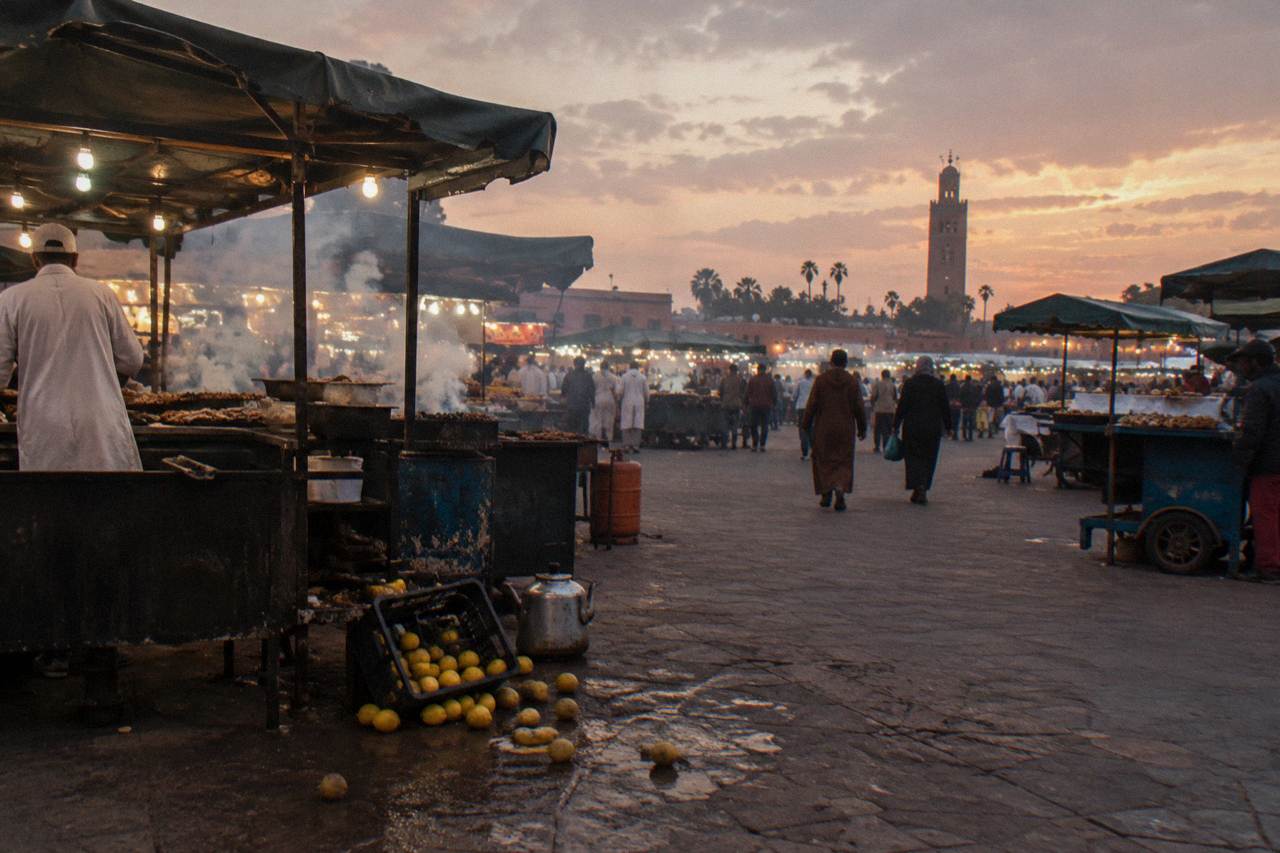
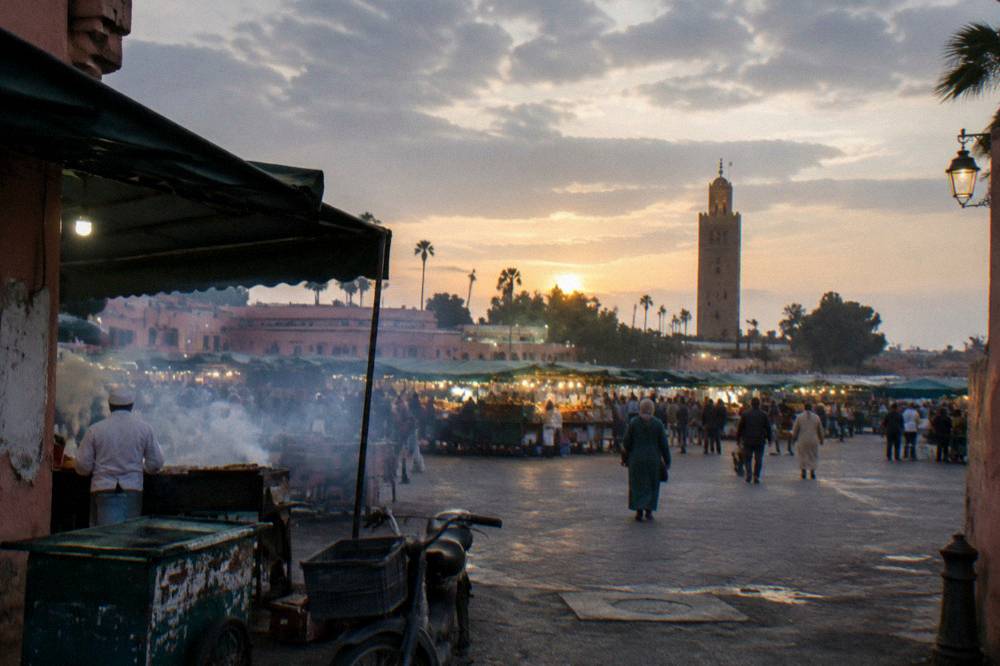
The famous night market in Marrakesh is Jemaa el-Fnaa, a large open square at the heart of the medina, and there is no ticket to enter it. It is a public space that stays open around the clock, where food stalls, musicians, storytellers and performers gather each evening. The square itself is free; the food, the henna and the photos with performers are what ask for money.
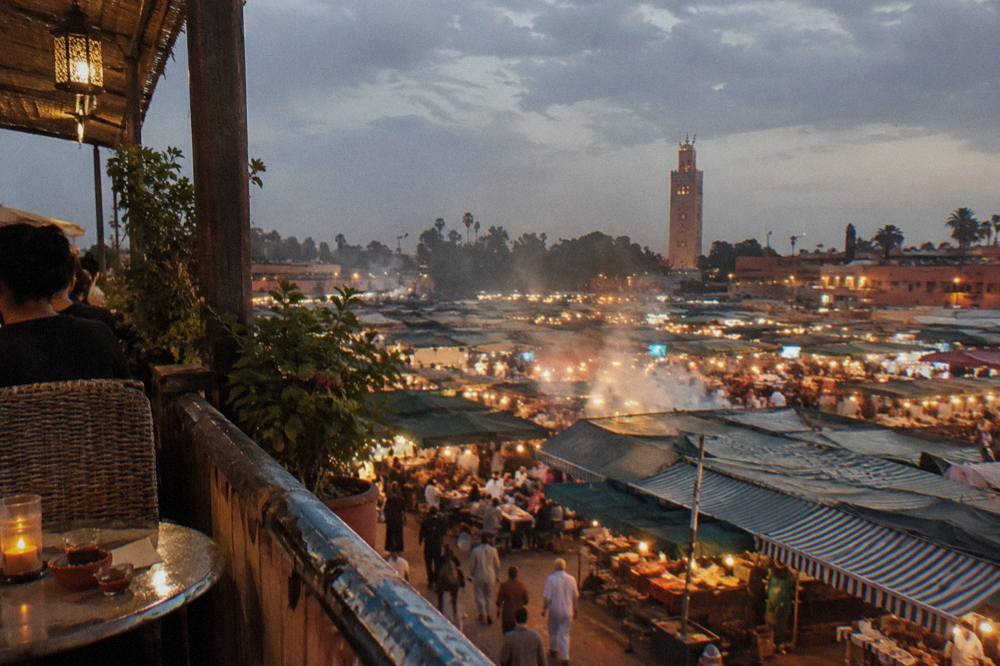
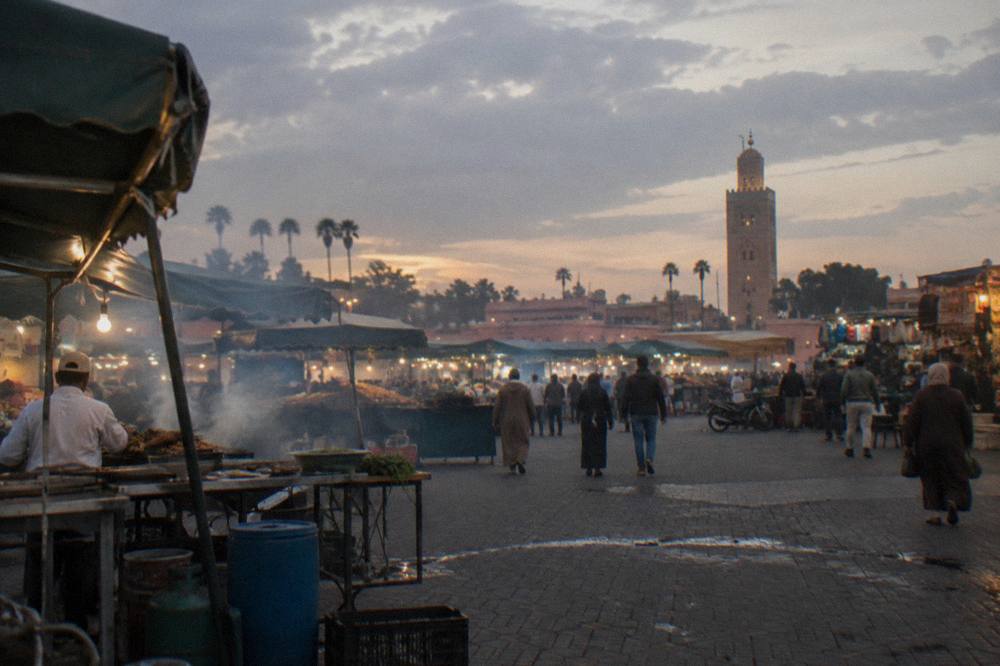
Jemaa el-Fnaa is the name to search for, and the name to say to a taxi driver or a riad host. Travellers call it a night market because that is what it becomes after dark: rows of food stalls cook, grill and pour across the square, and the seating fills. Marrakesh is the spelling you will see on some booking pages and walk titles, while the city's name in English usage on this site is Marrakech; both point to the same square.
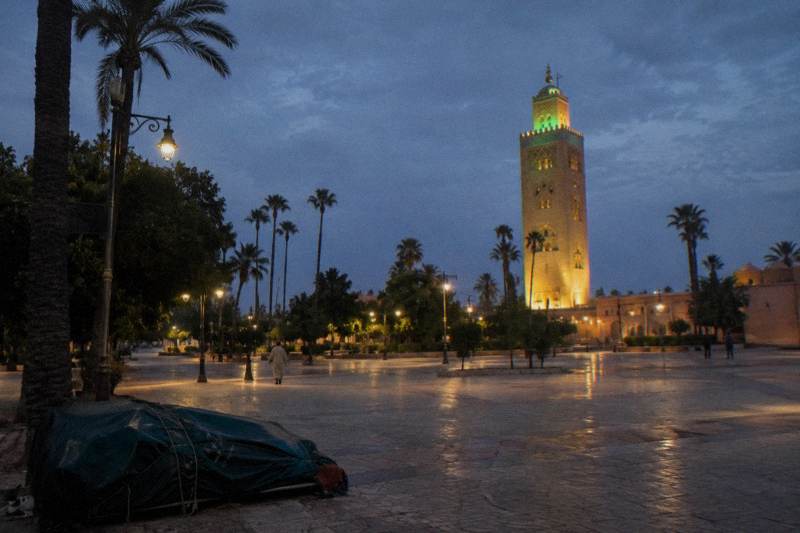
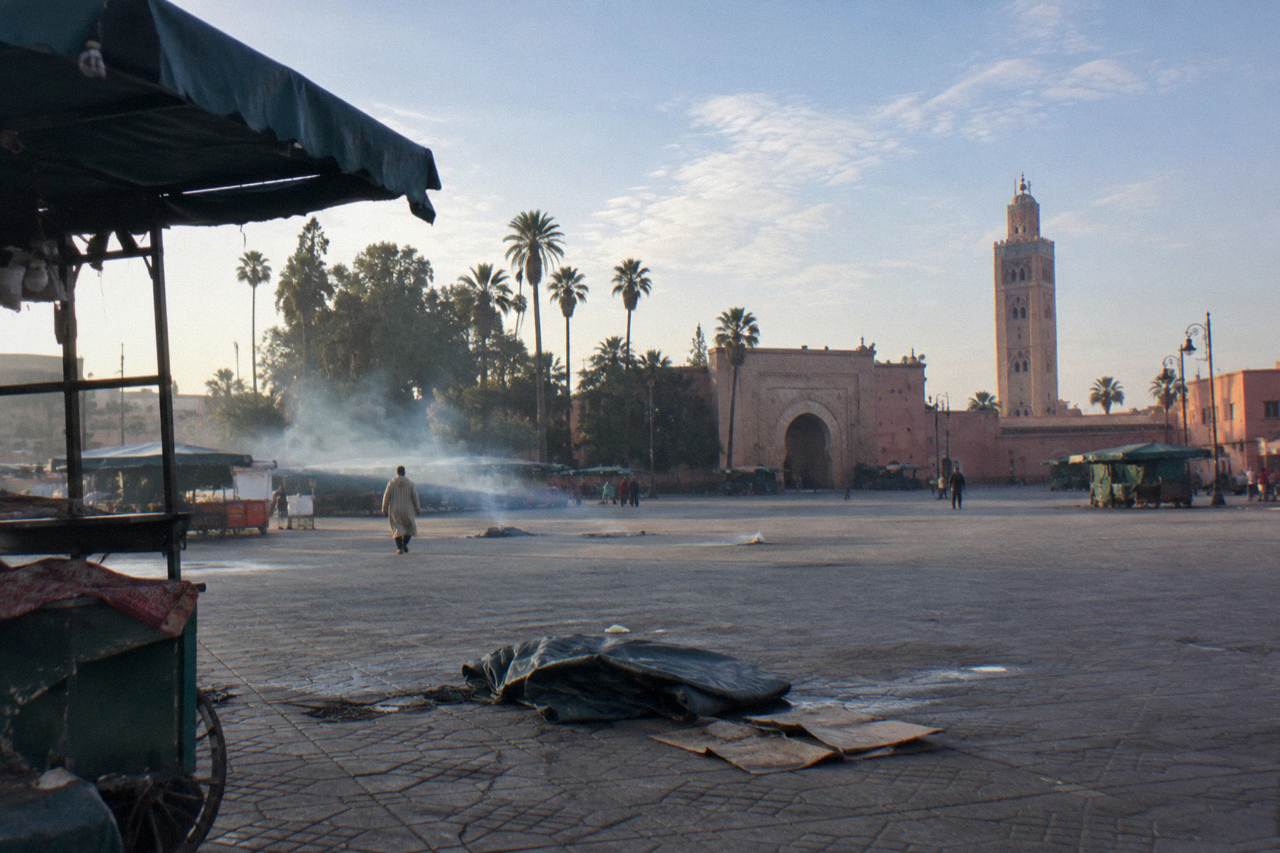
The honest way to think about the square is as two things at once. It is a free public space, one of the few large open rooms in the medina, with the Koutoubia minaret visible to the west and the souk lanes running off its north side. It is also a working marketplace where nobody is performing for fun: the musicians pass a hat, the food stalls sell dinner, and the snake charmers and monkey handlers ask for money for photos. A visitor who walks in, watches from a distance and moves on pays nothing. A visitor who sits down, eats, takes photos up close or accepts a henna offer pays, or is asked to.
That split is the whole cost structure of the night market, and it is worth fixing in your head before you arrive. There is no entry fee, no gate and no closing time to plan around. Every dirham you could spend inside Jemaa el-Fnaa is spent voluntarily, at a stall, to a performer, or in the souks that open off the square. The Jemaa el-Fnaa free entry guide breaks down each of those costs in detail, including how photo requests from performers work.
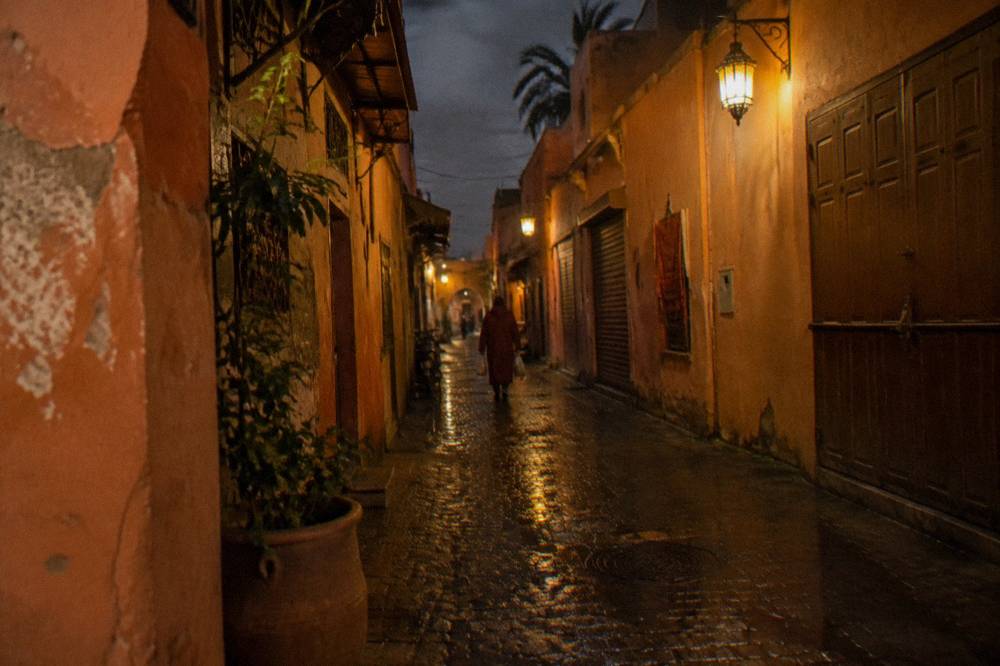
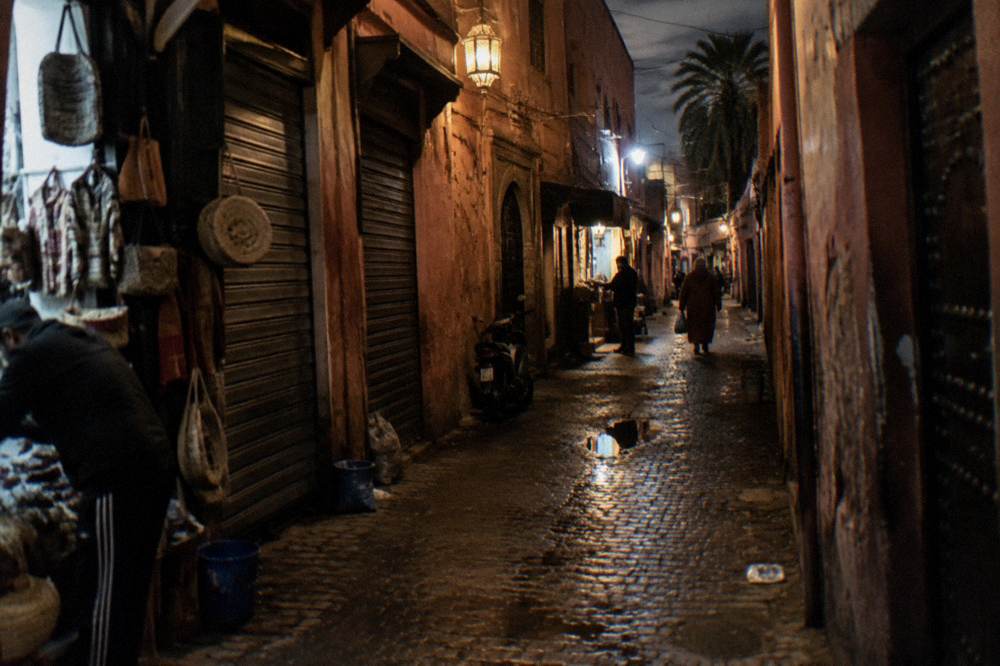
Beyond the square itself, the name "night market" sometimes gets stretched to cover the whole evening medina: the souk lanes, the Mellah streets to the south, the ramparts lit at the gates. Those are free to walk too, in the sense that the streets are public and the gates and walls can be seen from the street at any hour. The paid pieces sit inside that free frame: the palaces and monuments around the square charge foreign adults 100 MAD each, a fact the Ministry of Culture's own ticketing platform publishes. The square is the free core, the night market proper, and everything else is a walk away.
If your plan is to see the square with someone who knows it, that is where the free walking tours come in. This site catalogues 13 free walking tours in Marrakech, every one free, pay what you want, reserved on GuruWalk or freetour.com. Several meet at or beside Jemaa el-Fnaa, and the evening walks in that set are built around the square after dark. The rest of this page covers what to know before you go and which walks fit which plan.
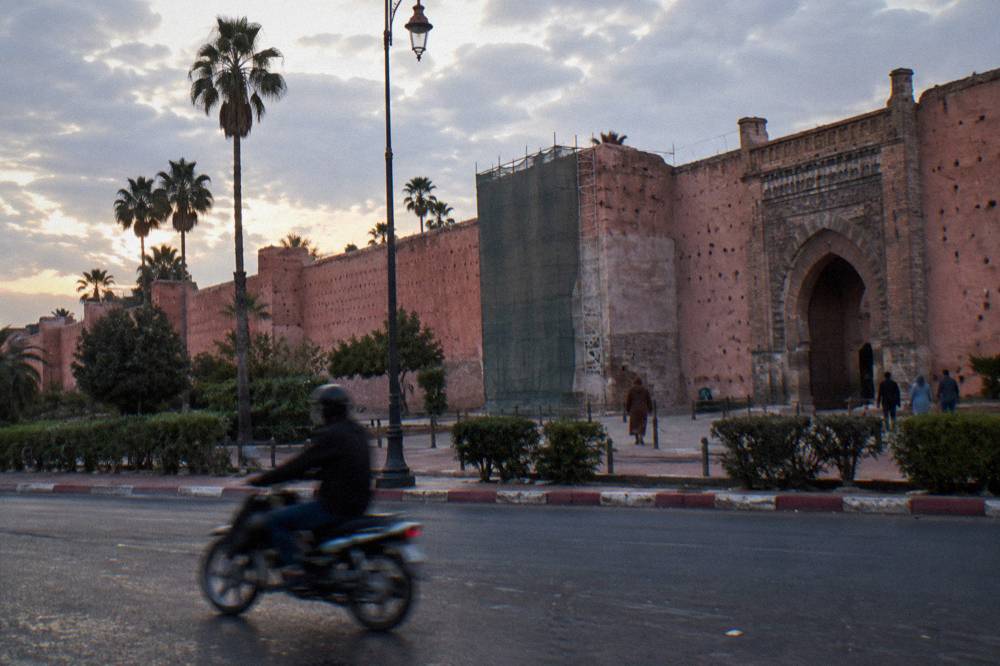
What Is The Short Answer?
The short answer: the night market is Jemaa el-Fnaa, it is free to enter, and the best free way to see it with context is an evening or medina free walking tour. The square has no ticket and never closes. Food, drinks and performers' tips are the only costs, and they are all optional. A free tour meeting at the square adds a guide's explanation without a fixed fee.
That is the answer in one breath, but each clause deserves a line of its own, because the mistakes people make at Jemaa el-Fnaa come from blurring them. Free to enter means exactly that: the square is a public space, like a plaza anywhere, and you can stand in it, cross it and photograph it from its edges for nothing, at any hour. Optional costs means the stalls and performers set no entry price either; you pay when you buy food or agree to a photo, and prices at food stalls are worth confirming before you sit, since souk trading culture rewards a question first.
The free tour clause is where this site earns its keep. The walk most directly matched to the question is Free Tour Marrakech: Old City Secrets, a 2 hour 45 minute English walk listed on freetour.com, rated 9.6 out of 10 across 938 freetour.com reviews, meeting at Cafe Restaurant Le Samovar beside the square. It is free, pay what you want, reserved on freetour.com. For an evening specifically, the Marrakech At Night walks run later starts: Secrets of the Medina: Discover Marrakech by Night, a 2 hour GuruWalk with Abdellah rated 4.88 out of 5 across 91 GuruWalk reviews, meets at the White dome, Koutoubia square. Those two answers, the square plus a free walk beside it, cover most of what the question is really asking.
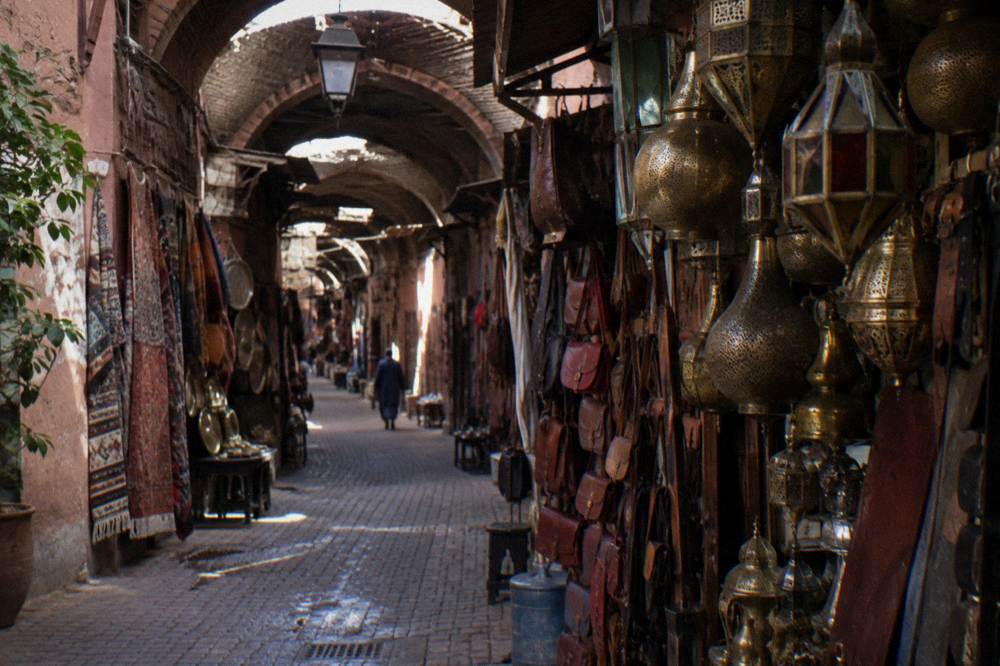
One more short-answer item: do not confuse the night market with the souks. The souks are the covered and semi-covered shopping lanes running north from the square, free to walk, with prices that are not fixed and pressure to buy that is real but avoidable. The night market is the square itself, where the cooking happens. A walk that starts at one usually touches the other, and the Marrakech souks free walking tour guide covers the shopping side separately.
What Should You Know Before You Go?
Before you go, know three things. Entry to Jemaa el-Fnaa is free and the square never closes, so there is no ticket to buy and no schedule to beat. Everything inside the square that involves a person, food, henna or a photo, involves money changing hands voluntarily. And the square sits in a working medina where monuments around it charge entry, 100 MAD for foreign adults at the major palaces.
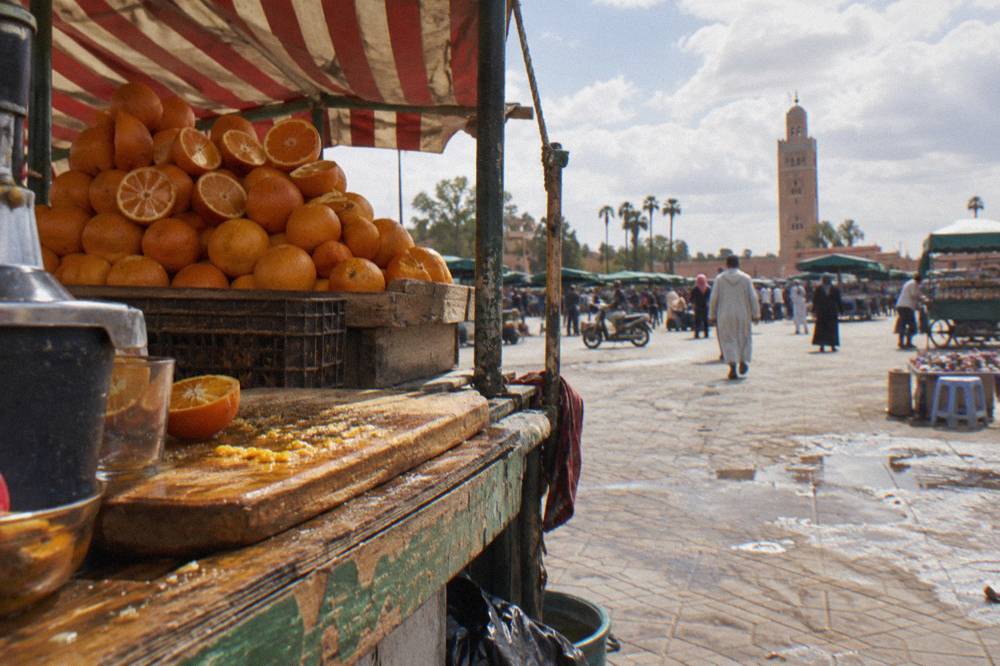
The first practical point is money at the stalls. The food stalls at Jemaa el-Fnaa sell dinner, and they sell it competitively, with menus and menu boards and staff encouraging you to sit. Nothing about the square forces a purchase, but if you eat, expect to pay stall prices, and treat the posted menu as the thing to read before ordering rather than after. Drinks sellers work the same way. The performers are the other half of the economy: musicians, storytellers and handlers of snakes and monkeys ask for money, and photos with them are asked for money too. Watching from a few steps back costs nothing; stepping into the circle is the transaction. The rest of the planning pages sit on Free Things To Do In Marrakech.
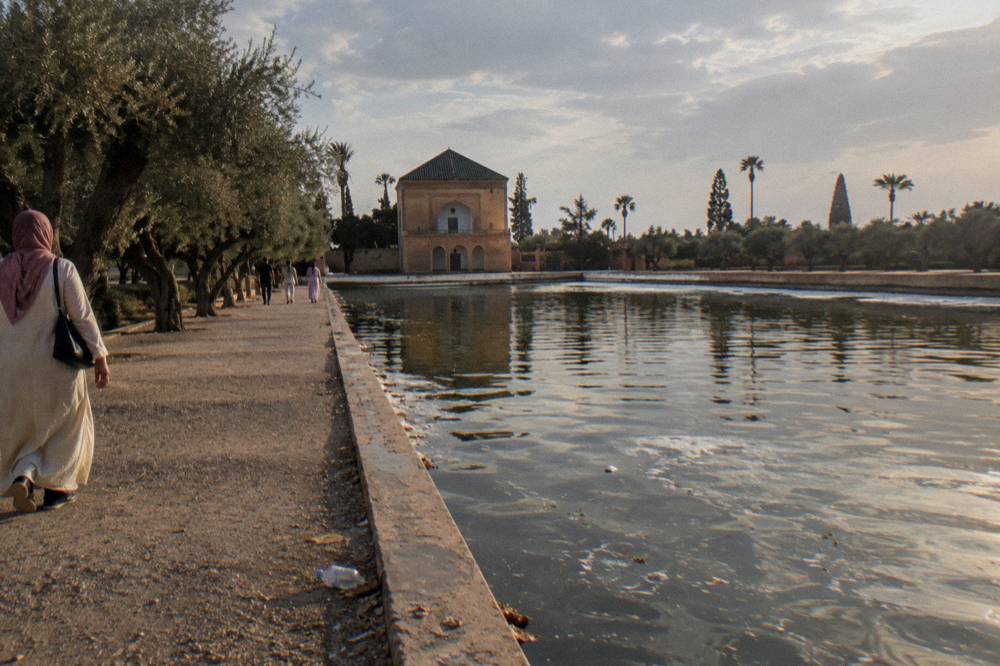
The second point is what surrounds the square, because a night at Jemaa el-Fnaa usually gets combined with other stops, and the free-versus-paid split there is sharp. To the west, the Koutoubia Mosque's exterior, minaret esplanade and gardens are free to walk and view, while the prayer hall is closed to non-Muslim visitors and no ticket exists for it. Further out, the Menara Gardens grounds and olive grove are free, while the pavilion charges foreign adults 60 MAD. The big palaces charge foreign adults 100 MAD each, with foreign children 7 to 13 at 50 MAD, and the free Friday entry at those Ministry of Culture monuments applies to Moroccan nationals only. The free versus paid walking tours guide addresses the tour side of that same split.
The third point is the medina context around the evening. Walking the Mellah streets, the ramparts and the gates is free at any hour, and some rampart stretches may carry scaffolding as restoration continues after the 2023 earthquake. There is one caution worth naming here rather than burying: unofficial guides who approach visitors around the square with offers to show them the market are a known pattern, and the Marrakech scams and fake guides guide covers how to handle it. The clean alternative is a reserved free walk, where the meeting point is fixed and published in advance: Cafe Argana, Cafe de France, Le Samovar and Hotel Ali all serve as published meeting points for the free walking tours you can reserve here.
| Free at and around the night market | Paid at and around the night market |
|---|---|
| Jemaa el-Fnaa square itself, no ticket, open around the clock | Food and drinks at the stalls |
| Walking the souk lanes | Anything you buy in the souks, prices not fixed |
| Koutoubia exterior, minaret esplanade and gardens | Photos with performers, snake charmers, monkey handlers |
| The Mellah streets and market lanes | Bahia Palace, El Badi Palace, Saadian Tombs: 100 MAD foreign adult |
| Bab Agnaou and the ramparts from the street | Menara Pavilion: 60 MAD foreign adult |
Dress and timing questions come up a lot for an evening square, and the honest answers are practical rather than rule-based: the square is a public space with no dress code of its own, though the medina around it is a working neighbourhood, and the what to wear in the Marrakech medina guide covers clothing choices for walking tours. On timing, this site prints no sunset times and no busy-hour claims, since none can be confirmed; what is certain is simply that the square stays open around the clock and that evening walks exist, with the Marrakech At Night walks listed in the next section.
Which Free Walking Tours Cover This?
The free walking tours that cover the night market are the medina and souk walks meeting at or beside Jemaa el-Fnaa, plus the dedicated night walks that start in the early evening. Across the 13 free walking tours in Marrakech, the relevant ones meet at the square itself, at its cafe landmarks, or at the Koutoubia a short walk away. Every one is free, pay what you want, and reserved on GuruWalk or freetour.com.
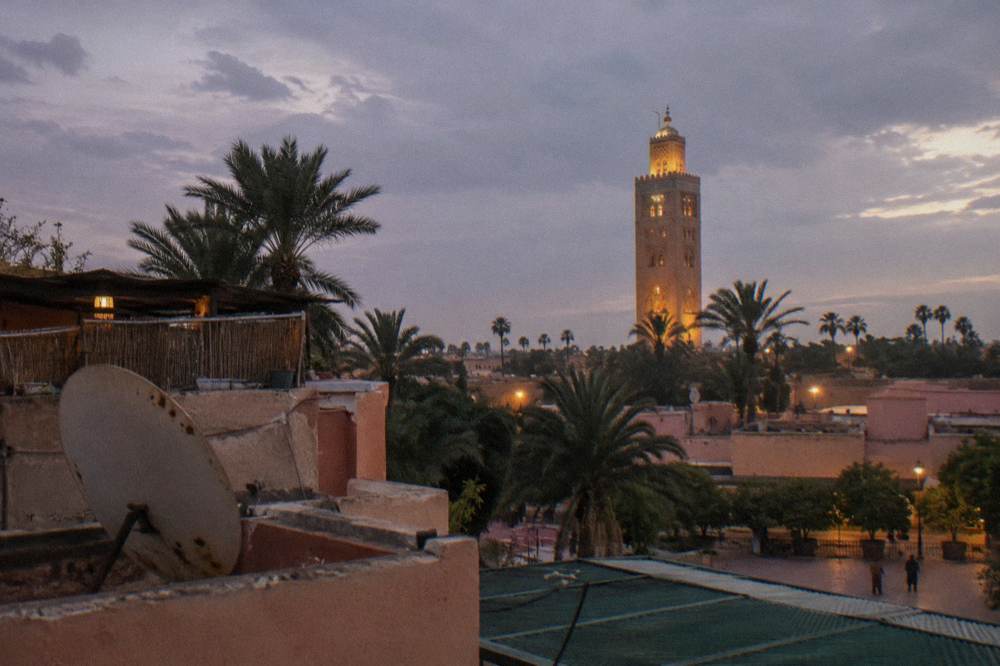
The walks most directly tied to the square are the ones that meet on it. Free Tour Marrakech: Old City Secrets, listed on freetour.com, meets at Cafe Restaurant Le Samovar and runs 2 hours 45 minutes in English, rated 9.6 out of 10 across 938 freetour.com reviews. The Marrakech Medina tour on GuruWalk, a 2 hour 30 minute English walk rated 4.85 out of 5 across 235 GuruWalk reviews, meets at Jemaa el-Fnaa main square. Boufous's historical walk, rated 4.84 out of 5 across 31 GuruWalk reviews, meets at Cafe Argana on the square. Each walk's own page sets out its route as the guide or operator gives it, though the order can change on the day, so treat the meeting point and neighbourhood as the fixed facts and the walk's page on GuruWalk or freetour.com as the detail source.
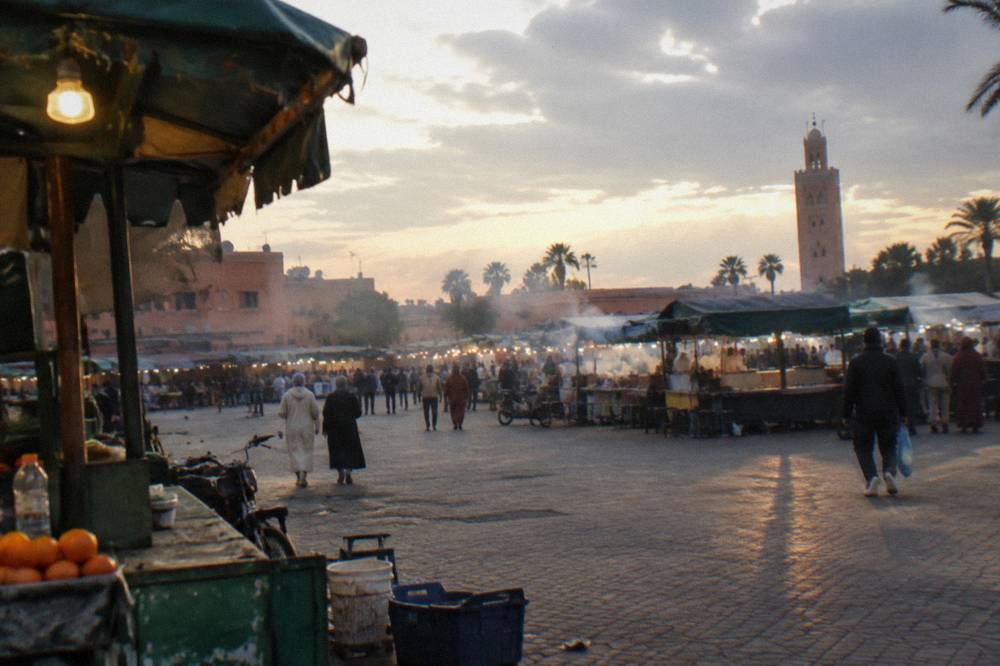
For the evening itself, the Marrakech At Night category exists on this site for exactly this question. Secrets of the Medina: Discover Marrakech by Night, a 2 hour GuruWalk with Abdellah rated 4.88 out of 5 across 91 GuruWalk reviews, meets at the White dome, Koutoubia square. The Best of Marrakesh Stories by Night, a 2 hour 30 minute GuruWalk with hmmed rated 4.27 out of 5 across 22 GuruWalk reviews, meets at Hotel Ali, Rue Moulay Ismail; that walk is free to join but its GuruWalk page flags possible extra costs such as entrance fees. The Marrakech at night guide pulls both together with the free night-time places around them.
The longer format worth naming is the imperial tour. Marrakech Imperial Tour, run by Marrakesh Imperial Tours and listed on freetour.com, is a 3 hour walk in English and Italian, rated 8.4 out of 10 across 474 freetour.com reviews, meeting at Hotel Restaurant Cafe de France on the square. It is the longest of the freetour.com walks here and the only walk among them that runs in Italian alongside English. The freetour.com walks describe themselves as tip based, which is the same pay-what-you-want model as the GuruWalk walks, under that platform's own wording.
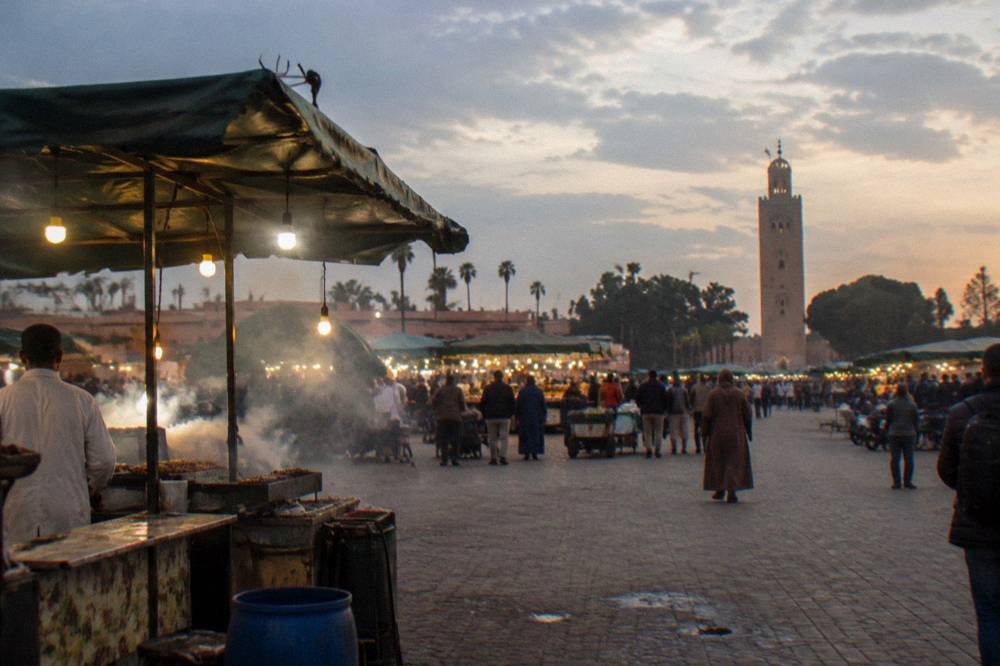
The Koutoubia-side walks deserve a mention because the Koutoubia is the visual anchor of any evening at the square. Youssef's Marrakech essential City Guide, rated 4.78 out of 5 across 1,173 GuruWalk reviews, meets at the White shrine near the Koutoubia, and Mohamed amine's Unveiling the Secrets of Marrakech, rated 4.91 out of 5 across 1,171 GuruWalk reviews, meets at the White dome, Koutoubia square. Mustapha's half day medina walk, rated 4.9 out of 5 across 987 GuruWalk reviews, meets at Koutoubia Mosque square and is free to join, though its GuruWalk page flags possible extra costs such as entrance fees. The Koutoubia free exterior and gardens guide covers the free side of that monument and its walks in full.
A certain free tour needs an honest caveat rather than a sales line. Free Walking Tour Great Places Around Marrakesh on GuruWalk is a 1 hour walk in English and French meeting at Jemaa el-Fnaa, with too few reviews for a score yet. It has a page on this site and no card, and it is listed here for completeness only. Choosing among the rest comes down to duration, language and meeting point, all published facts you can compare on each walk's own page before reserving.
Mistakes That Trip People Up At The Night Market
The mistakes that cost people money or goodwill at Jemaa el-Fnaa are predictable ones: assuming the whole night market is free because entry is free, accepting photos or henna without asking what they cost, buying "official" monument tickets from lookalike websites, and believing anyone who says a monument or the tanneries are free today. Each mistake has a factual fix, and the fixes come straight from the published prices and rules.
The first mistake is treating free entry as a free evening. The square costs nothing to stand in; the food stalls sell dinner, and the performers, including snake charmers and monkey handlers, ask for money for photos. The fix is to decide before you arrive what you are there for: watching costs nothing, participating costs money. Confirming prices at a stall before sitting is normal behaviour in a souk trading culture, not rudeness.
The second mistake is the free-day myth. People read that Bahia Palace, El Badi Palace or the Saadian Tombs are free on Fridays and plan a monument evening around it. The free Fridays at Ministry of Culture monuments apply to Moroccan nationals only, on Fridays and the first day of national and religious holidays; foreign visitors pay 100 MAD adult and 50 MAD for children 7 to 13, and the 30 MAD rate needs a Moroccan or resident document. The Ministry of Culture's own ticket platform sells one ticket per monument, with no combined pass.
The third mistake is buying from a lookalike site. A cluster of domains ending in palace and monument names look official and are third-party ticket resellers. The real online seller for the state monuments is the Ministry of Culture's own e-services site. A related trap sits at the tanneries near Bab Debbagh: there is no tariff, viewing is normally from a leather shop terrace where a tip or purchase is expected, and the line that they are closed today followed by an offer to guide you elsewhere is the known pattern. The tanneries are never simply free on this site.
The fourth mistake is confusing the mosque with the gardens. Visitors arrive at the Koutoubia expecting to walk in. The exterior, the minaret esplanade and the Koutoubia Gardens are free to walk and view; the prayer hall is closed to non-Muslim visitors and no ticket exists for it. The same split applies at the Menara: grounds, olive grove and basin free, pavilion 60 MAD for foreign adults. A tower or pavilion never inherits its garden's status, and the Marrakech museums free and paid guide applies the same honesty to the museums.
Common Questions About The Marrakesh Night Market
What Is The Famous Night Market In Marrakesh?
It is Jemaa el-Fnaa, the open square at the heart of the Marrakech medina. Entry is free, with no ticket and no gate, and the square is open around the clock. Food stalls, musicians, storytellers and performers gather there each evening and work for tips and sales, which is what makes it read as a night market.
Is Jemaa el-Fnaa free to enter?
Yes. It is a public square with no ticket, open around the clock. The costs inside are voluntary: food and drinks at the stalls, photos with performers, snake charmers and monkey handlers, henna, and shopping in the souks that open off the square, where prices are not fixed.
Can you see the night market on a free walking tour?
Yes. Of the 13 free walking tours in Marrakech, several meet at or beside the square, including Free Tour Marrakech: Old City Secrets on freetour.com and the GuruWalk medina tour meeting at Jemaa el-Fnaa main square. Evening walks include Secrets of the Medina: Discover Marrakech by Night, a 2 hour GuruWalk with Abdellah.
Are the monuments near the night market free?
No. Bahia Palace, El Badi Palace and the Saadian Tombs each charge foreign adults 100 MAD, with children 7 to 13 at 50 MAD. The Friday free entry at these Ministry of Culture monuments is for Moroccan nationals only. The Koutoubia exterior and gardens remain free to walk.
How much should you tip on a free walking tour?
This site prints no tip figure; the amount is up to you. Every walk on this site is free, pay what you want, and freetour.com describes its walks as tip based. The reader decides what to pay. For plain price context only, 100 MAD is the price of a foreign adult ticket at Bahia Palace.
Is the night market the same as the souks?
No. The night market is the square itself, Jemaa el-Fnaa, where the food stalls and performers gather. The souks are the shopping lanes running off the square, free to walk but built for selling, with prices that are not fixed. Most medina walks touch both, starting from the square.