How Many Days In Marrakech Is Enough? Where A Free Walking Tour Fits
How many days do you really need in Marrakech, and where does a free walking tour fit? A day-by-day breakdown built around the free side of the city.
In Short
Two full days is enough to see the free core of Marrakech: Jemaa el-Fnaa, the souks, the Koutoubia exterior and gardens, the Mellah streets and the rampart gates. A third day adds the Menara grounds, the Palmeraie roads and the city at night. Every one of the 13 free walking tours lasts between one and four hours, so a free walk slots into any of those days without eating the budget.
This question sits inside the Marrakech medina walking tour route guide.
Quick Facts
| Question | Answer |
|---|---|
| Minimum sensible stay | 2 full days for the free medina core |
| Comfortable stay | 3 days, adding gardens, gates and a night walk |
| Free walks available | 13 free walking tours, all pay what you want |
| Walk durations | 1 hour to 4 hours depending on the walk |
| Cheapest paid monuments | Ben Youssef Madrasa 50 MAD foreign adult; Ministry monuments 100 MAD |
| Free outdoor spaces | Jemaa el-Fnaa, the souks, Koutoubia gardens, Menara grounds, the rampart gates |
| Gardens that charge | Jardin Majorelle 170 MAD; Le Jardin Secret 100 MAD plus 40 MAD tower |
How Many Days In Marrakech Is Enough?
Two full days is enough for Marrakech's free core, while three days is the comfortable number once you add gardens, gates and the city after dark. The free sights are dense and walkable, and with 13 free walking tours lasting one to four hours each, you can fit one walk per day and still keep most of each day free.
Marrakech rewards walkers more than ticket buyers. The things people remember, the square at dusk, the souk lanes, the ochre walls, the minaret seen from the gardens, cost nothing to stand in front of. The paid layer sits on top: Bahia Palace at 100 MAD for a foreign adult, El Badi Palace at the same, the Saadian Tombs at the same, Ben Youssef Madrasa at 50 MAD. A two-day trip can skip all of them and still leave with the full texture of the city, because that texture is in the streets.
The honest framing is that days buy depth, not access. Day one gets you the central medina and the square. Day two gets you the Mellah, the gates and a garden. Day three gets you the Menara grounds, the Palmeraie roads or a slower second pass through the souks, plus a night walk if the earlier evenings were spent at Jemaa el-Fnaa. Anything past three days is either day trips out of the city or a slower pace, not new free sights.
This site, Free Things To Do In Marrakech, is built entirely around that free layer, and the walking tours are the spine of it. Every walk is free, pay what you want, and reserved on GuruWalk or freetour.com. If you are planning the days around a budget, the walks do the orientation work on day one and the free outdoor spaces fill the rest.
Here is the short version of how the free walks map onto the days. Three walks that cover orientation, the souks and local life, each from a different side of the Medina, and each free to join and pay what you want at the end:
What Is The Short Answer?
Two days, with a free walking tour on the morning of each. Day one pairs a central medina walk with Jemaa el-Fnaa and the souks; day two pairs a different walk with the Mellah, the gates and a garden. A third day is for the Menara grounds, the Palmeraie roads and the city at night, where the night walks run. This rhythm works because every free walk is short: none lasts more than four hours.
The reasoning is simple arithmetic. The walks are short and the free spaces are open. Unveiling the Secrets of Marrakech, a GuruWalk walk rated 4.91 out of 5 across 1,171 GuruWalk reviews, runs 2 hours 15 minutes from the white dome at Koutoubia square. That is a morning. The afternoon can be the Koutoubia gardens, which are free, and the square, which never closes. Nothing in that sentence costs a dirham.
Day two works the same way. A walk from the Jemaa el-Fnaa side, then the Mellah streets on foot, then Place des Ferblantiers and Bab Doukkala, both public and free. If a third day exists, the Menara grounds with their olive grove and basin are free to enter, and the pavilion beside them is the paid part at 60 MAD for a foreign adult, so the day can stay free by staying outside. The Ministry of Culture's own ticket pages confirm that split: the pavilion is ticketed, the grounds are not.
A common mistake is treating Marrakech as a museum city where the days are counted in tickets. It is closer to the opposite. The ticketed monuments are four or five buildings; the free city is the entire medina fabric, the ramparts, the palm roads and the square. Two days spent walking that fabric, with a free guide for the first hours of each day, is a complete trip. Three is a relaxed one.
What Should You Know Before You Go?
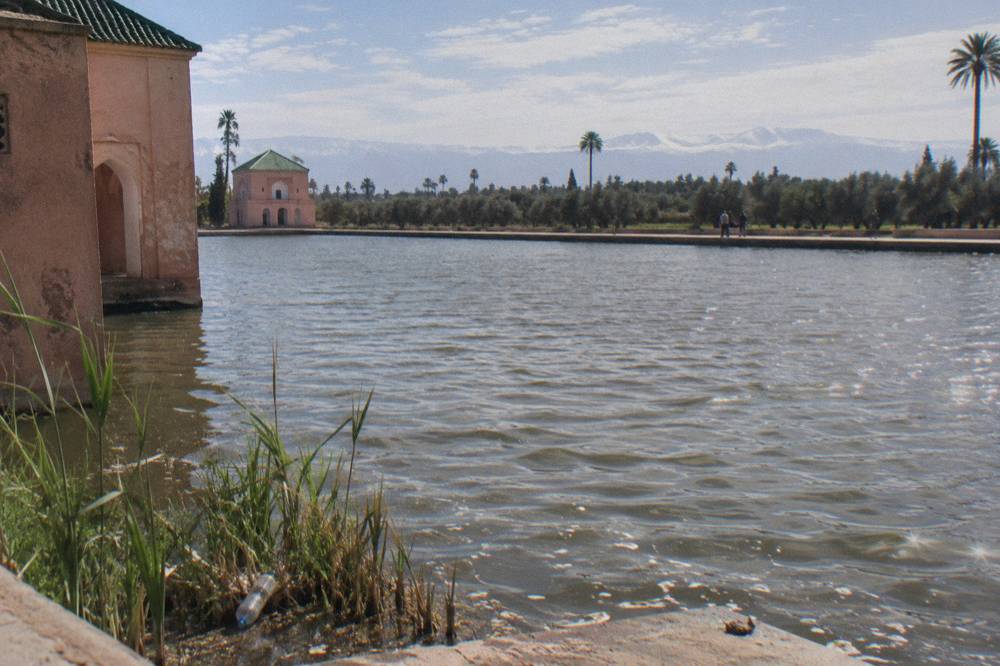
Know the free-versus-paid splits before you plan the days, because they decide the budget. The Koutoubia exterior and gardens are free but the prayer hall is closed to non-Muslim visitors. The Menara grounds are free but the pavilion costs 60 MAD. The Friday free entry at Bahia, El Badi, the Saadian Tombs and the Almoravid Koubba applies to Moroccan nationals only, and foreign adults pay 100 MAD at each.
These splits matter most for the garden plans. Jardin Majorelle is 170 MAD for the public garden, sold online only with timed tickets, and it is never free; the Berber Museum and the Yves Saint Laurent museum inside the complex are separate tickets whose prices are not published here. Le Jardin Secret charges 100 MAD for the garden and another 40 MAD for the tower. If gardens are the reason for the third day, the free ones are the Menara grounds and the Koutoubia gardens, and the paid ones are budgeted separately.
The monument rules have a second layer. The Ministry of Culture's free-entry days, Fridays and the first day of national and religious holidays, are for Moroccan nationals; the 30 MAD reduced rate needs a Moroccan or resident document. There is no combined monument pass: the Ministry sells one ticket per monument through its e-services ticket platform, live since April 2025. Anyone telling you otherwise on the street is selling something.
Practical read-arounds for the days:
| Free piece | Paid piece beside it | How it changes the plan |
|---|---|---|
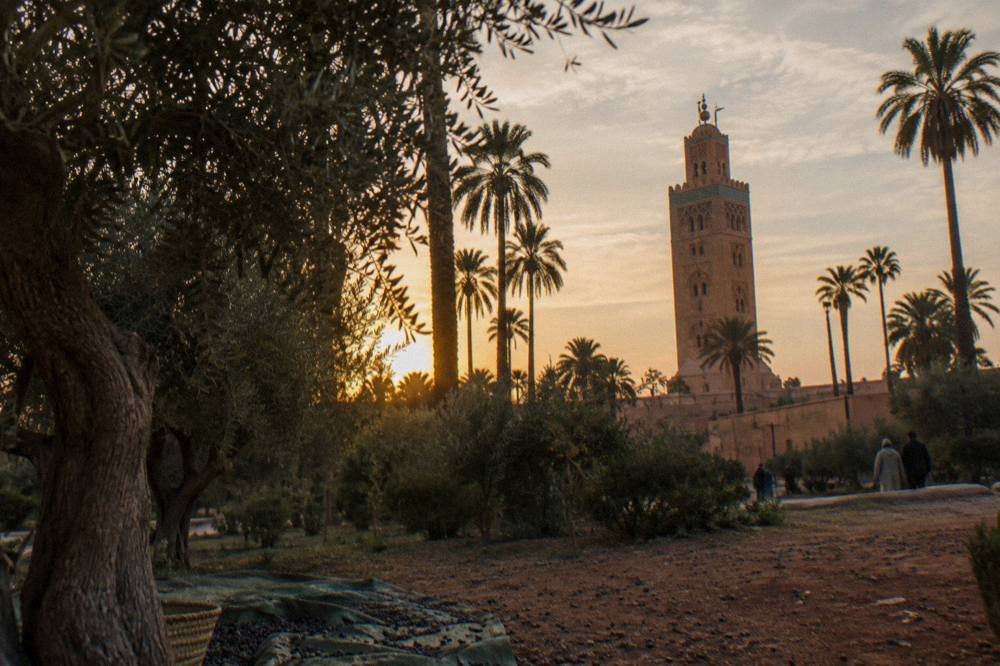
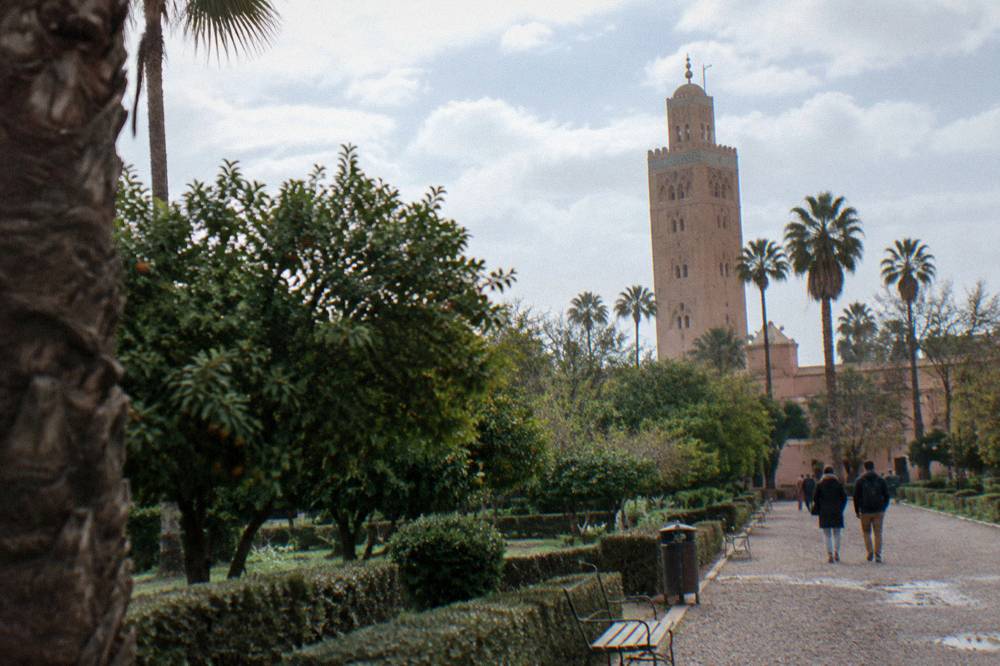
| Koutoubia exterior, minaret esplanade and gardens | No ticket exists; prayer hall closed to non-Muslim visitors | No time or money needed, walk it any day |
| Menara grounds, olive grove and basin | Pavilion 60 MAD foreign adult | Free if you skip the pavilion interior |
| Jemaa el-Fnaa square | Performers and food stalls work for tips and sales | Budget is social, not entry-based |
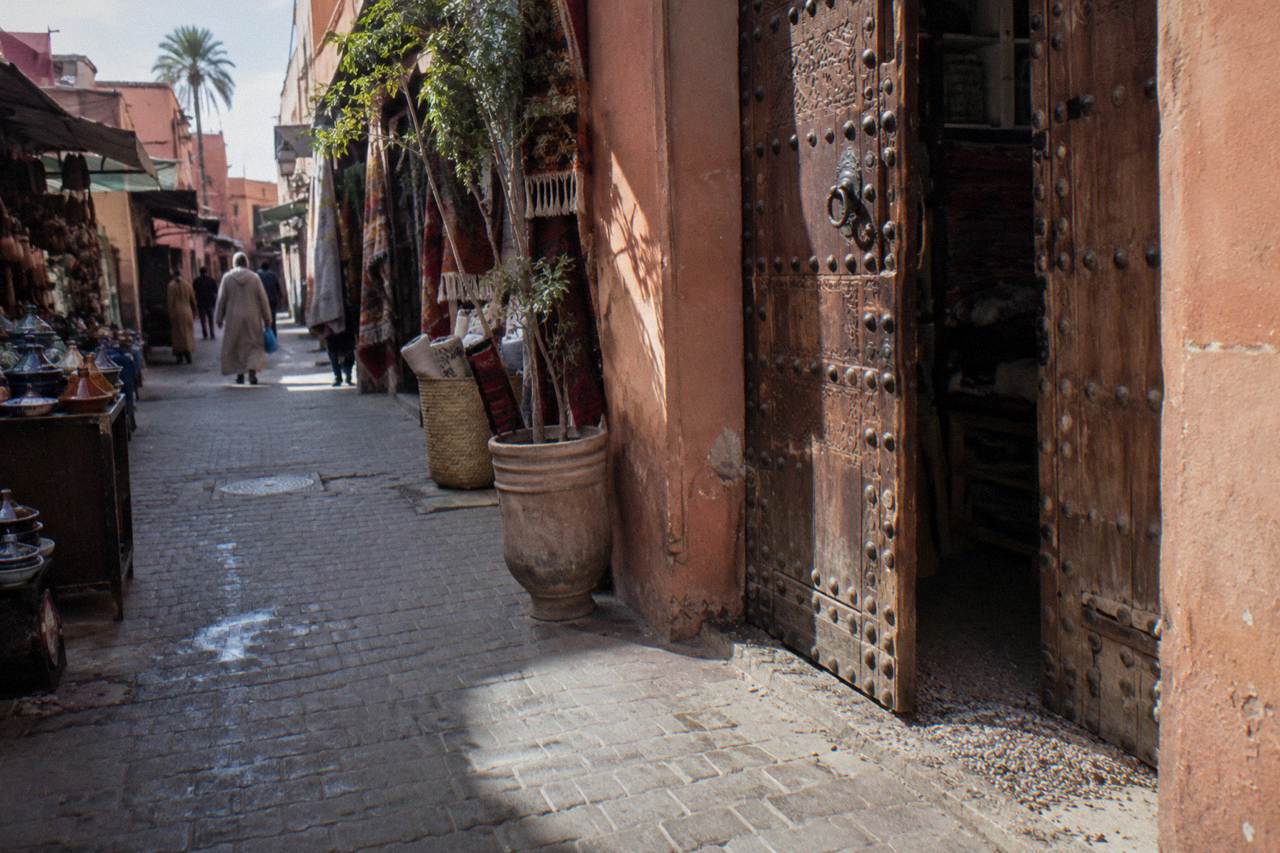
| The souk lanes | Nothing; prices inside shops are not fixed | Walking is free, buying is negotiable |
| The Mellah streets | Lazama Synagogue and Miaara Cemetery fees not published | Streets alone cost nothing |
| The Palmeraie roads | Hotels, clubs and camel rides are private and paid | Drive or cycle the public roads free |
Two cautions shape the walking days. First, the tanneries at Bab Debbagh are not simply free: there is no official tariff, viewing is normally from a leather shop terrace where a tip or purchase is expected, and the "it is closed today, I will guide you" line is a known scam, covered in the Marrakech scams and fake guides guide. Second, sections of the ramparts were damaged in the 2023 earthquake and restoration continues, so some stretches may have scaffolding. The same is true inside the ticketed monuments: Bahia, El Badi and the Saadian Tombs reopened in October 2023 and works continue.
Weather and season questions belong to the best time for a Marrakech walking tour guide, and the packing side to the what-to-wear guide. What the day count needs from you is only the free/paid split and the meeting points, both of which are fixed facts.
Which Free Walking Tours Cover This?
All 13 free walking tours fit inside a two or three day stay, because the longest runs 4 hours and the shortest 1 hour. The central medina walks meet at the Koutoubia, the souks-and-square walks meet at Jemaa el-Fnaa, and the night walks meet at the Koutoubia or Hotel Ali. One walk per day, chosen by meeting point and duration, covers the whole free core without repeating ground.
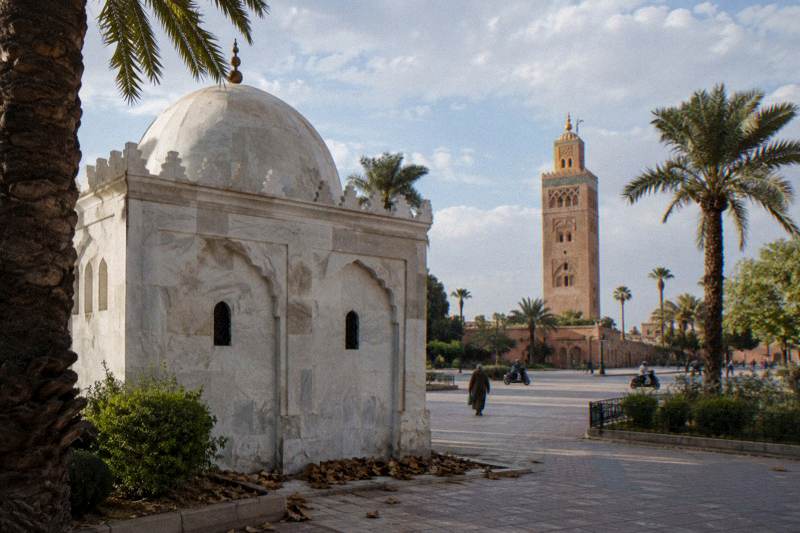
The Koutoubia meeting points cluster around the white shrine, the white dome and the mosque square, which makes the first morning easy: any of the central walks starts within sight of the free gardens. Mustapha's 2-Hour Medina Walk, a GuruWalk walk rated 4.9 out of 5 across 987 GuruWalk reviews, meets at Koutoubia Mosque square and runs 2 hours; it is free to join but the GuruWalk page flags possible extra costs such as entrance fees. That flag is honest, not a trick: the walk itself is pay what you want.
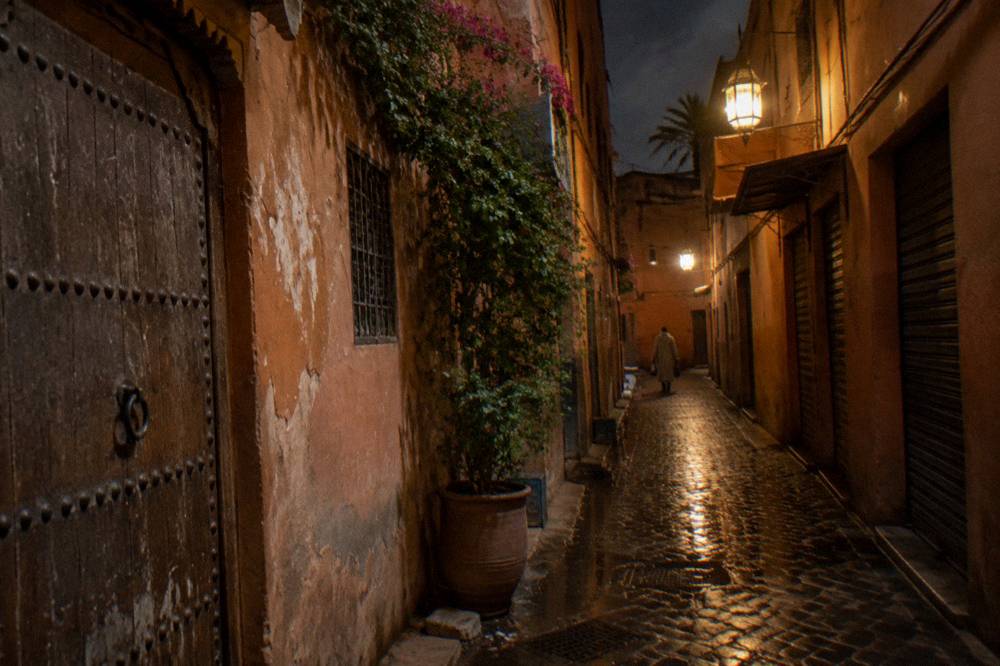
From the Jemaa el-Fnaa side, the options include a GuruWalk walk rated 4.85 out of 5 across 235 GuruWalk reviews meeting on the main square, and three freetour.com walks: Old City Secrets, rated 9.6 out of 10 across 938 freetour.com reviews, meeting at Cafe Restaurant Le Samovar; the Marrakech Imperial Tour run by Marrakesh Imperial Tours, rated 8.4 out of 10 across 474 freetour.com reviews, meeting at Hotel Restaurant Cafe de France; and a sightseeing walk rated 9.9 out of 10 across 62 freetour.com reviews. The two rating scales are not comparable, so pick by meeting point, duration and language rather than by averaging scores.
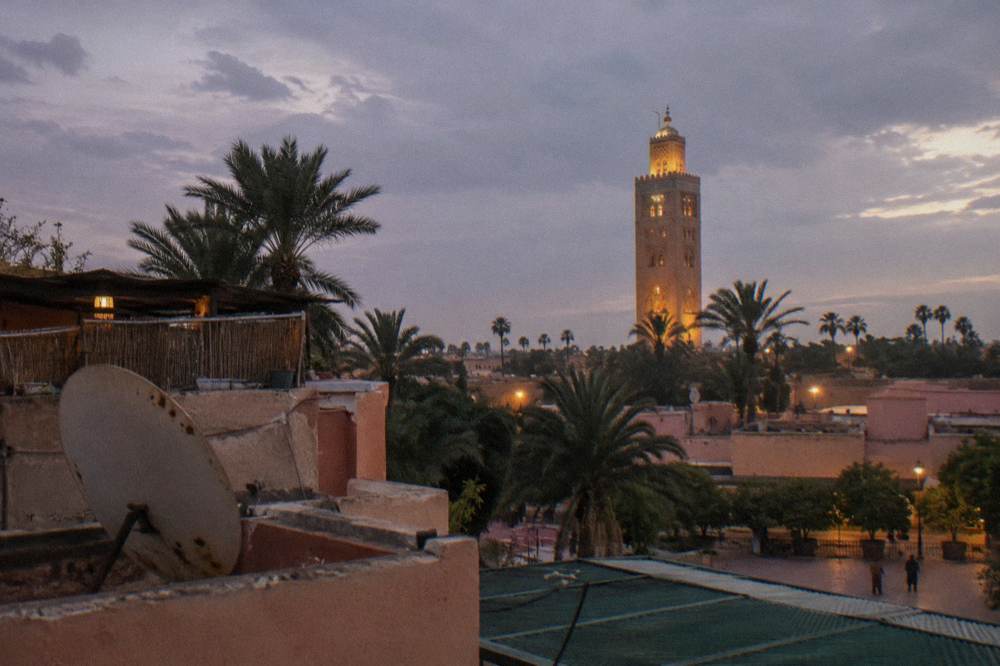
The night category is where a third day earns its keep. Secrets of the Medina: Discover Marrakech by Night, a GuruWalk walk rated 4.88 out of 5 across 91 GuruWalk reviews, runs 2 hours from the white dome at Koutoubia square. The Best of Marrakesh Stories by Night, rated 4.27 out of 5 across 22 GuruWalk reviews, meets at Hotel Ali on Rue Moulay Ismail and runs 2 hours 30 minutes; it is free to join but the GuruWalk page flags possible extra costs. If your stay is two days, a night walk replaces nothing: the evenings at Jemaa el-Fnaa are their own free event.
Mistakes That Trip People Up At The Day Count
The mistakes are all about treating paid things as free. Believing the Friday free entry applies to you, budgeting Majorelle as a garden stroll, planning the tanneries as a free stop, and expecting a mosque interior ticket are the four that reshape an itinerary most. Each one is a two-fact item, and knowing both facts keeps the days honest and the budget intact.
The Friday rule first. Bahia Palace, El Badi Palace, the Saadian Tombs and the Almoravid Koubba let Moroccan nationals in free on Fridays and the first day of national holidays. Foreign visitors pay 100 MAD adult and 50 MAD for children aged 7 to 13 at each. Planning your monument day around a "free Friday" that was never yours wastes a morning. The same logic applies to the Menara pavilion: the grounds are free, the pavilion is 60 MAD, and a pavilion is not a garden.
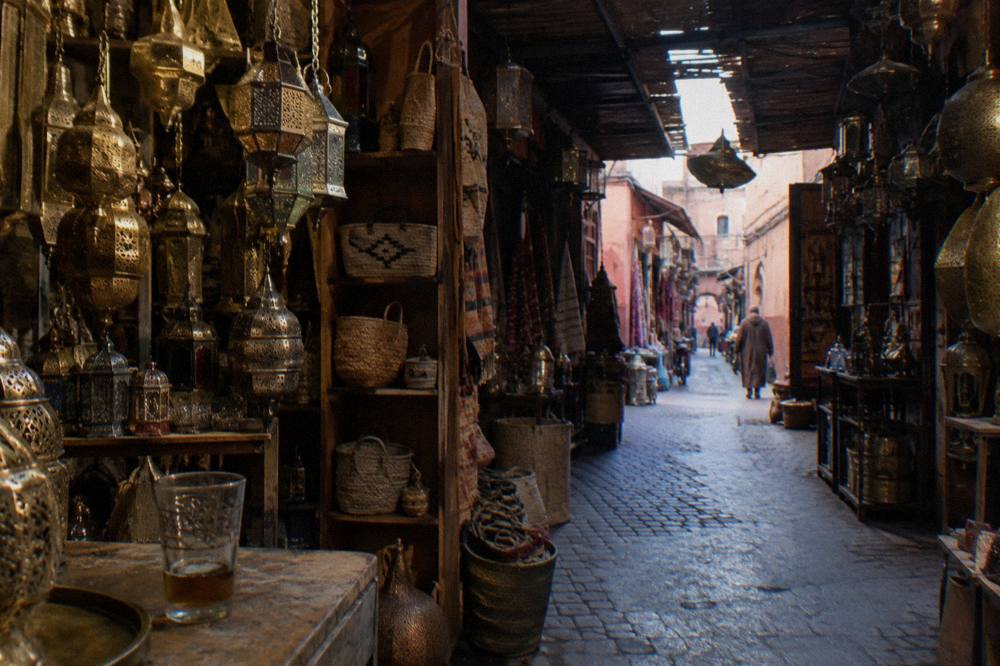
The tannery mistake is the costliest in time. There is no tariff and no public viewing platform; the usual route in is a leather shop terrace where a tip or a purchase is expected, and the sudden-closure story is the setup for a guided detour. If you want tannery atmosphere, treat it as a shop visit, not a free sight, and give it a paid errand's slot in the day, not a walking-tour slot.
The last mistake is cramming. Marrakech in one day is possible on the free side, and the one day in Marrakech on a budget route shows how, but it is a sprint that spends the whole day in the medina and skips the Menara, the Palmeraie and the night city entirely. If the question is how many days is enough, the answer is two with a real margin at three, and the failure mode is not too few days, it is too many tickets inside them.
If the days are still being shaped, these three walks are the longer options here, running from 2 hours 45 minutes to a 4-hour half-day circuit:
Common Questions
How Many Days In Marrakech Is Enough? Where A Free Walking Tour Fits?
Two full days covers the free core: the square, the souks, the Koutoubia exterior and gardens, the Mellah and the gates. A free walking tour on the morning of each day handles orientation in 2 to 4 hours. A third day adds the Menara grounds, the Palmeraie roads and a night walk without needing a single ticket.
Can You See Marrakech In One Day For Free?
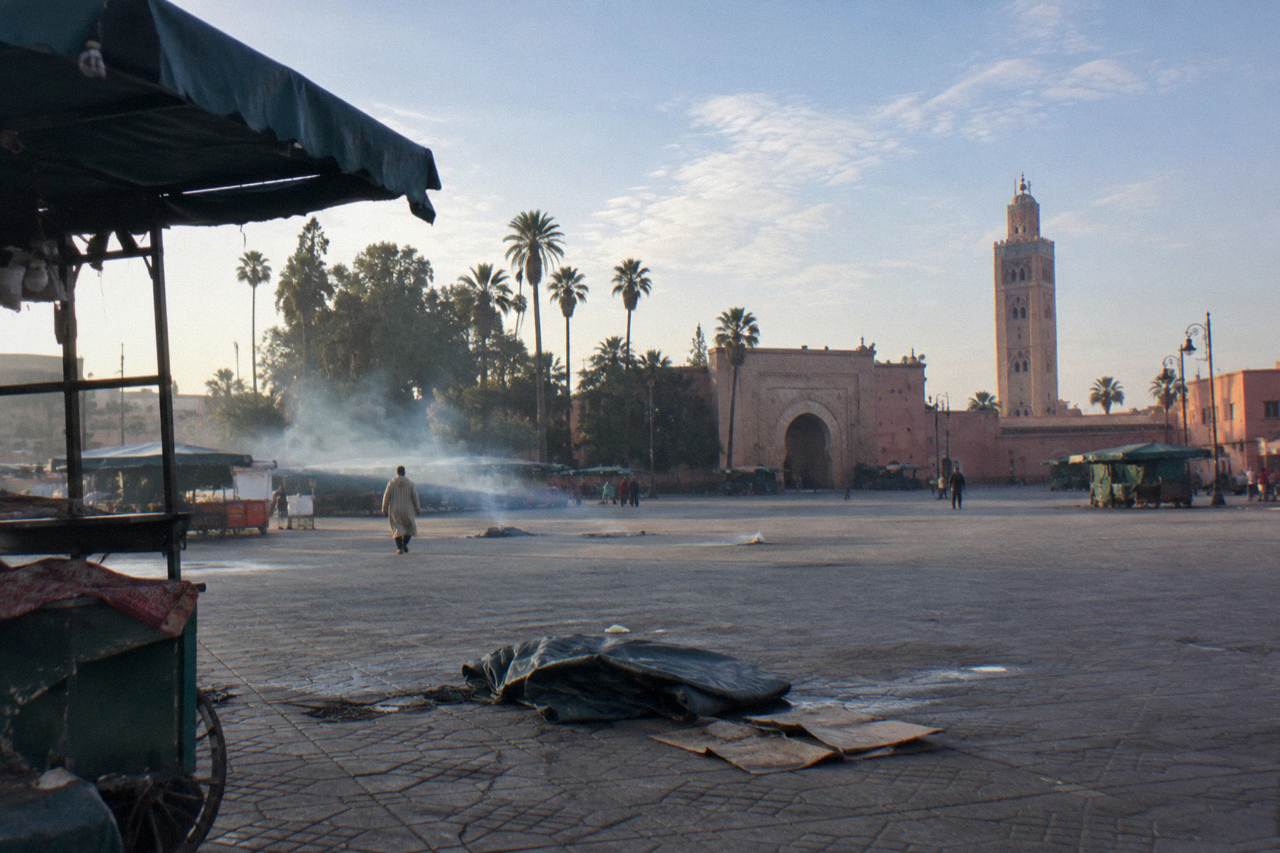
Yes, on the free side. Jemaa el-Fnaa, the souks, the Koutoubia gardens, the Mellah streets and rampart gates like Bab Agnaou are all free and walkable in one long day. A single free walking tour, such as a 2-hour medina walk meeting at the Koutoubia, covers the orientation. What one day misses is the Menara, the Palmeraie and the city at night.
Is Three Days Too Many For Marrakech?
No. Three days lets you walk the medina core, add the Menara grounds and the Palmeraie roads, and take a night walk, all free. It also leaves room for one or two paid monuments at 100 MAD or 50 MAD each if you want them. Beyond three days you are slowing down or leaving the city, not finding new free sights.
Are The Palaces Free On Fridays For Tourists?
No. The Friday and national-holiday free entry at Bahia Palace, El Badi Palace, the Saadian Tombs and the Almoravid Koubba is for Moroccan nationals. Foreign adults pay 100 MAD and children aged 7 to 13 pay 50 MAD at each. The 30 MAD rate needs a Moroccan or resident document.
How Long Does A Free Walking Tour In Marrakech Take?
The 13 free walking tours run from 1 hour to 4 hours. Most central medina and souks walks sit at 2 to 3 hours, meeting at the Koutoubia or Jemaa el-Fnaa. The longest, a 4-hour extended city walk meeting at the Koutoubia Mosque beside the Kubba Fatima Zohra, takes a half day. Every walk is pay what you want.
Do You Need Tickets For Jemaa el-Fnaa?
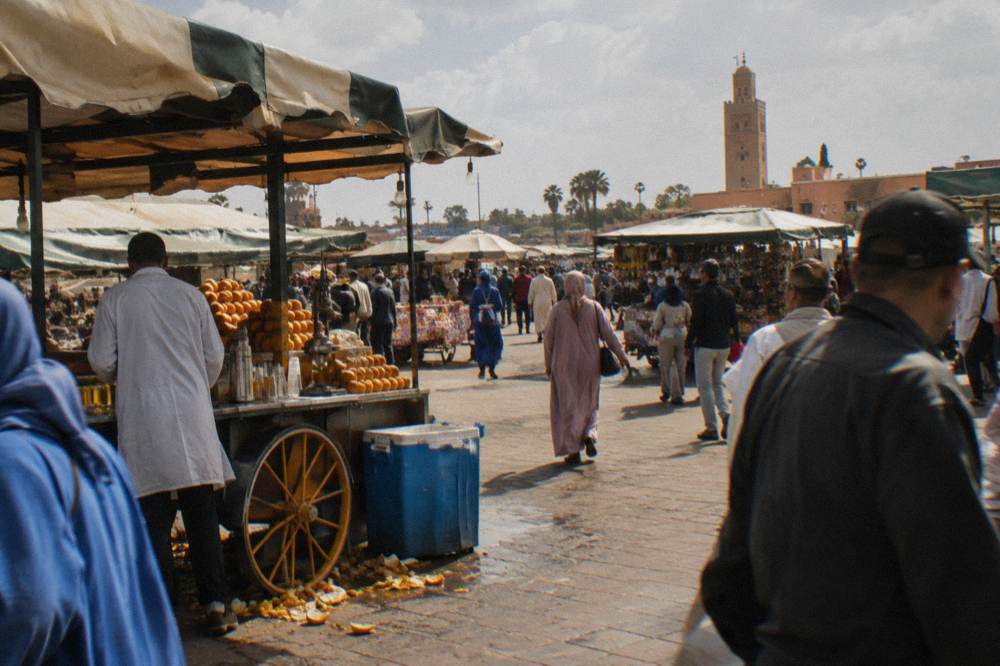
No. Jemaa el-Fnaa is a public square, open around the clock, with no ticket. Performers, musicians and food stalls work for tips and sales, and photos with performers or animal handlers are asked for money. Walking and watching costs nothing, which is why the square anchors every day of a free itinerary.