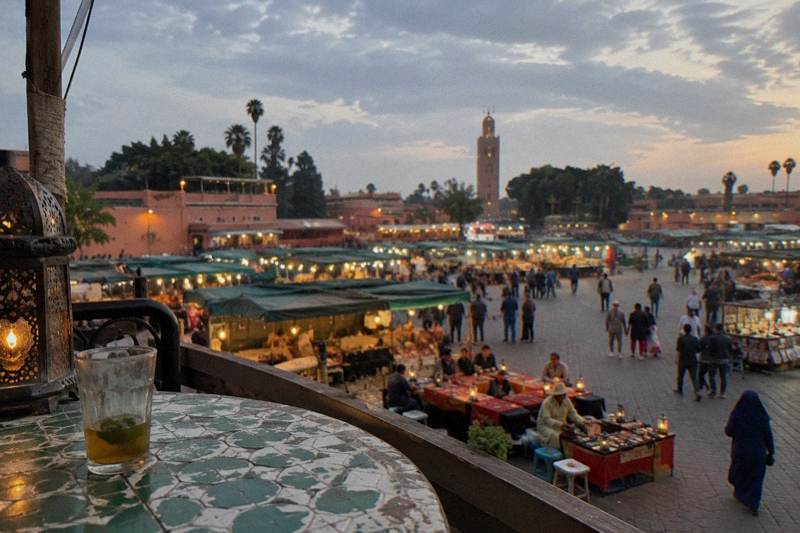
What Is The Famous Market In Marrakech? Visiting It On A Free Walking Tour
The famous market in Marrakech is Jemaa el-Fnaa and the souks around it. Here is what is free, what costs money, and which free walking tours cover it.
In Short
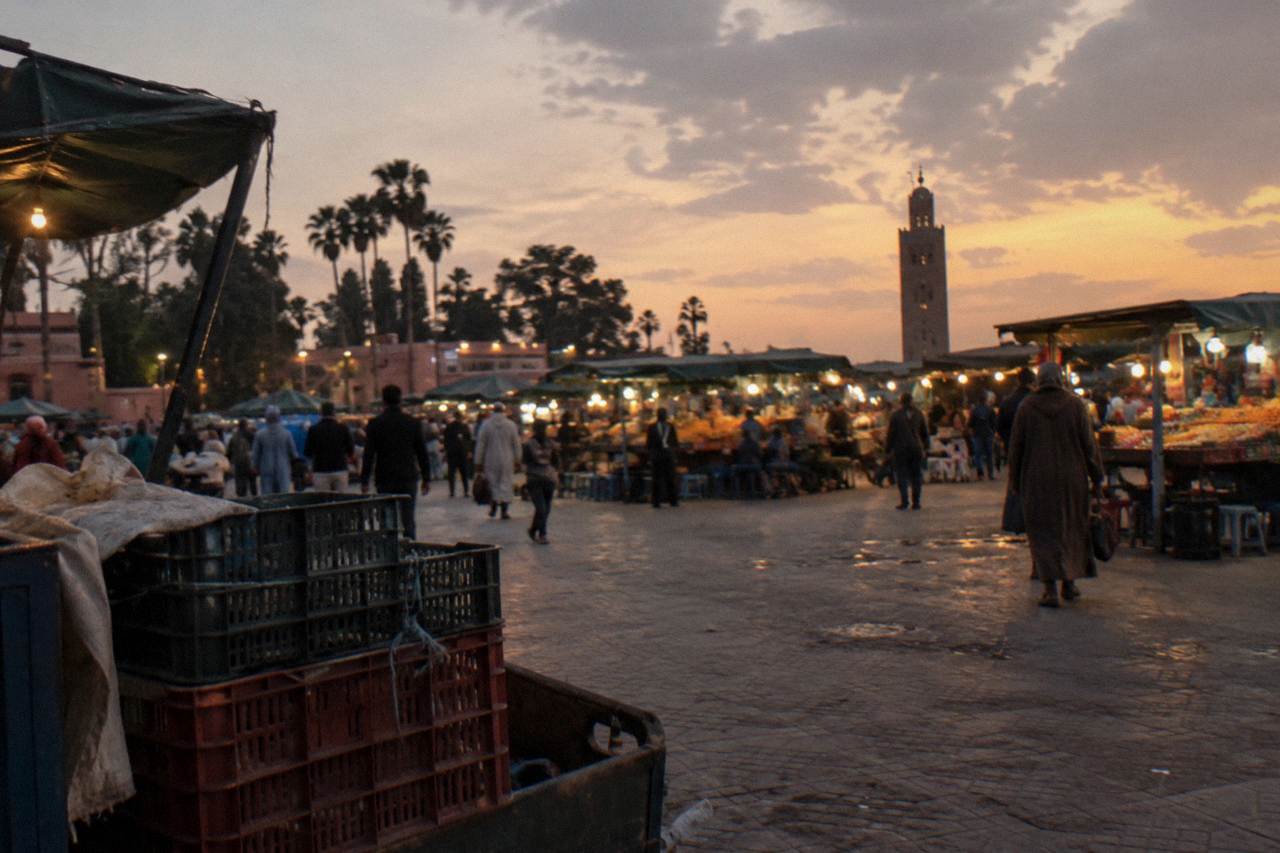
The famous market in Marrakech is Jemaa el-Fnaa, the open square at the heart of the medina, together with the souk lanes that spread out around it. Entering the square and walking the souks costs nothing, though performers and food stalls work for tips and sales. The city's 13 free walking tours include several that meet at or beside the square, every one free, pay what you want, reserved on GuruWalk or freetour.com.
This question sits inside the Jemaa el-Fnaa entry and costs guide.
What Is The Famous Market In Marrakech?
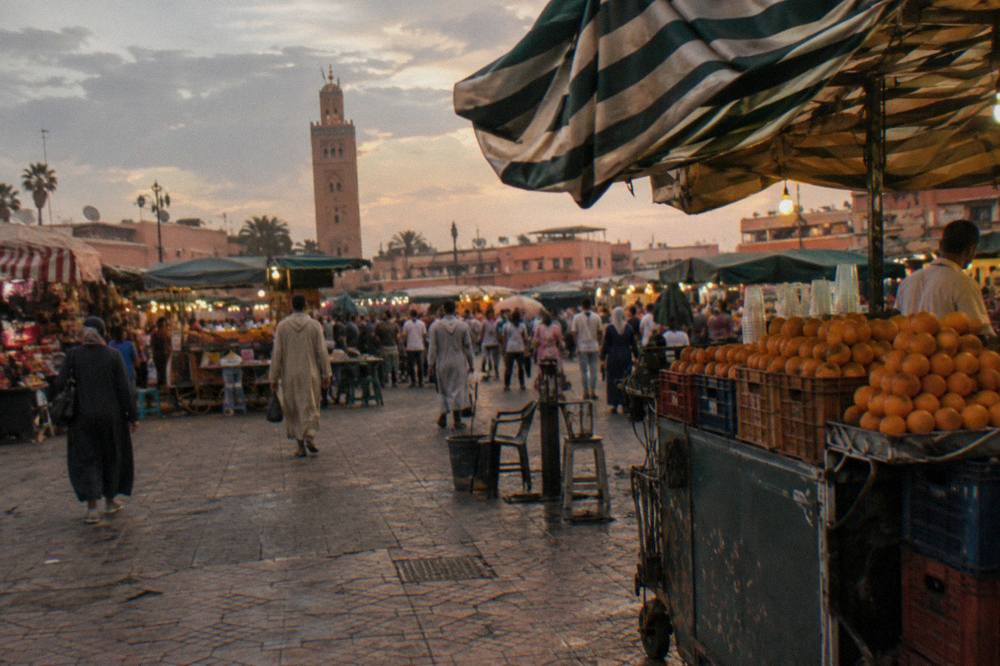
The famous market in Marrakech is Jemaa el-Fnaa, the large open square in the medina, and the souks that run from it in every direction. The square is a public space with no ticket and no gate, open around the clock. The souks are a web of covered lanes where walking is free and the goods are priced by negotiation. Together they are what most people mean when they say the market in Marrakech.
The name belongs to the square first. Jemaa el-Fnaa is the stage: during the day it holds orange juice stalls, dried fruit sellers and rows of shaded carts, and in the evening the food stalls take over the middle of it. Around the edges, storytellers, musicians and performers work the crowds. All of this sits in public view and entering the square costs nothing, because it is a public space rather than an attraction with an entrance.
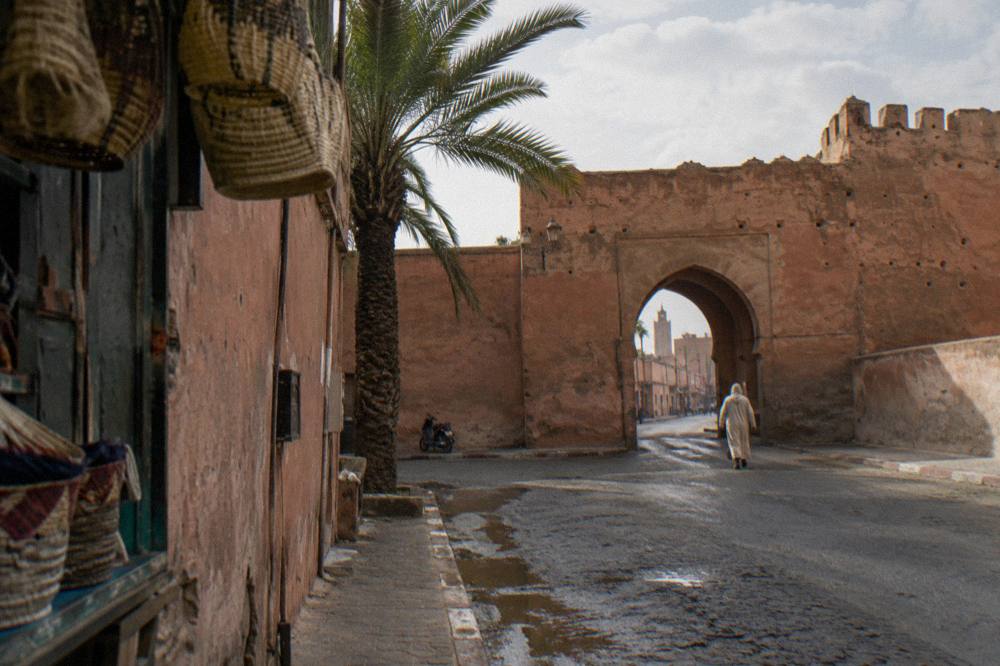
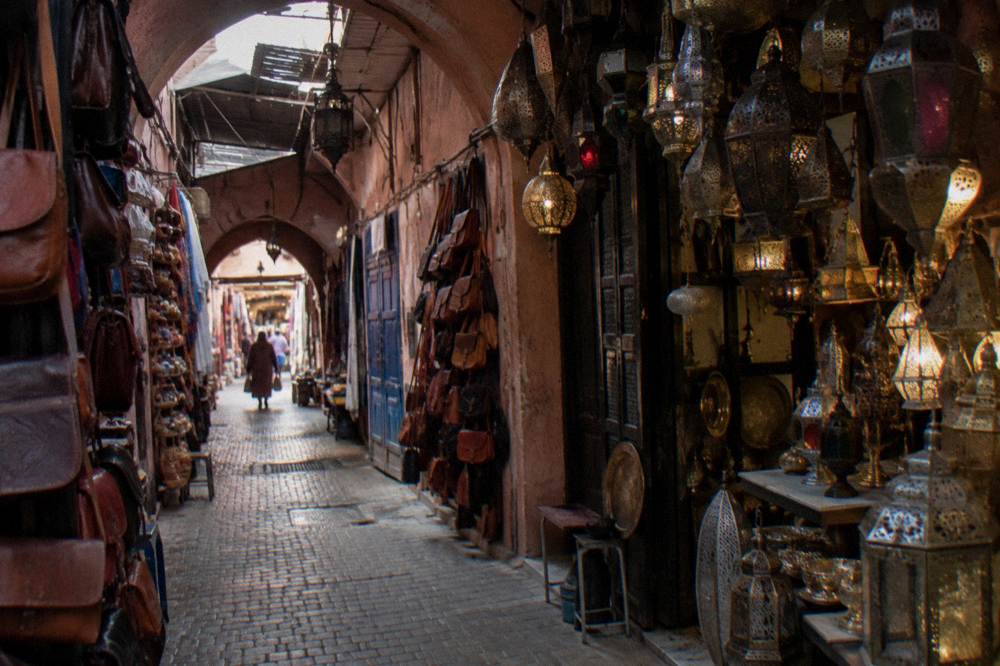
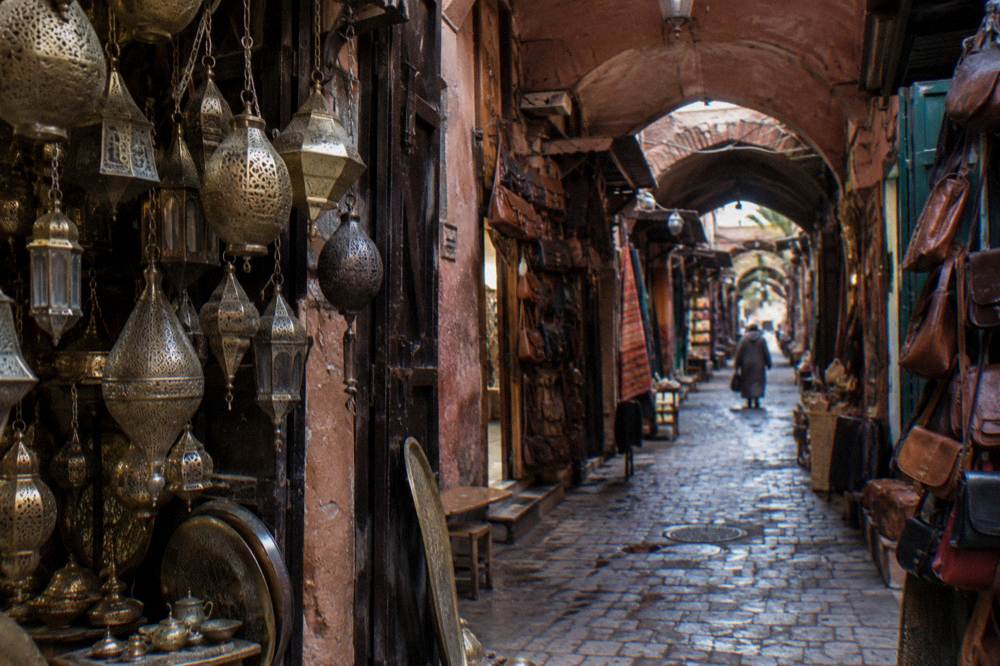
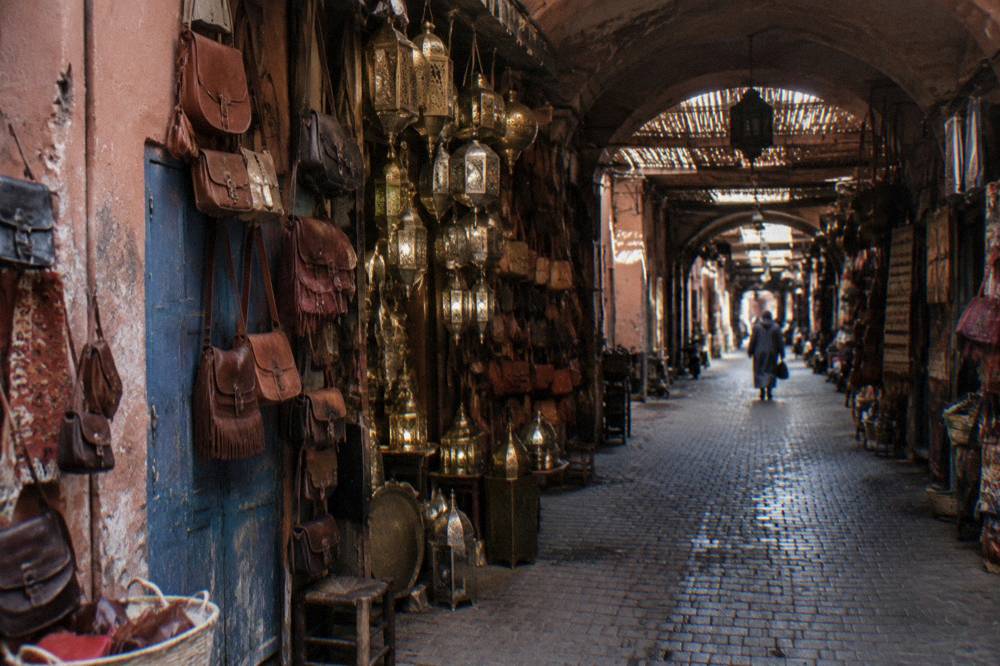
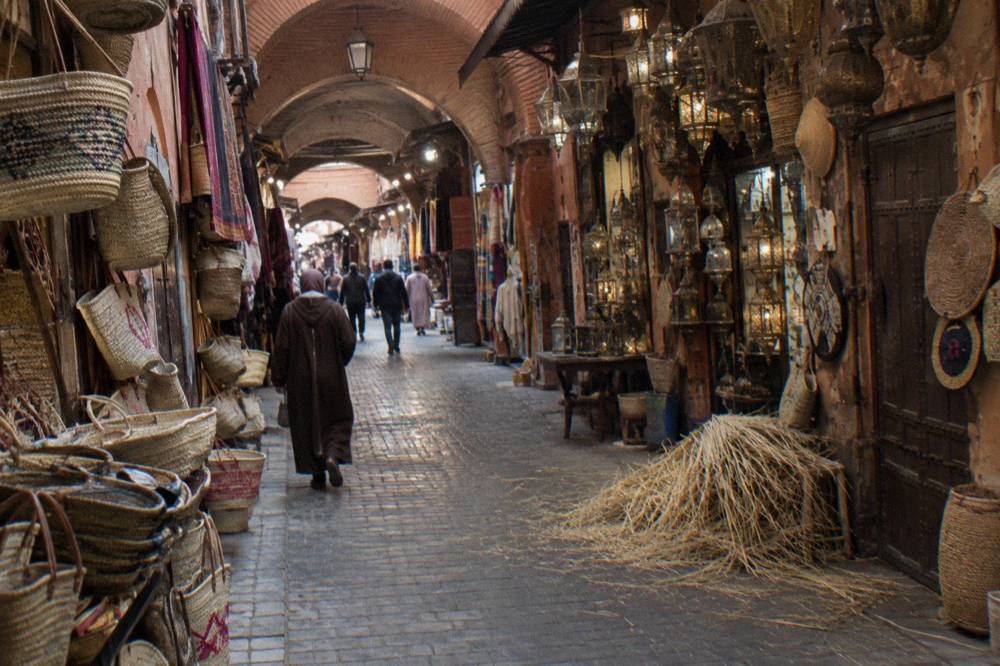
The second half of the famous market is the souks. Lanes of the medina behind the square hold the leatherworkers, the metalworkers, the carpet sellers and the spice stalls. Walking those lanes is free. The cost of the souks is not entry, it is the goods: prices are not fixed, and the pressure to buy is the real price of admission, not a ticket.
It helps to separate the square from the souks in your head before you arrive, because they behave differently. Jemaa el-Fnaa asks nothing of you unless you engage with it: watch from a distance and nothing is owed, photograph a performer or accept an orange juice sample and money enters the conversation. The souks work the other way: you can walk every lane without spending a dirham, but you will be invited into shops, and the invitations are part of the texture of the place.
“Mustapha was extremely friendly and gave very indepth knowledge of the areas we visited. His tour was entertaining and well paced. He also provided very honest opinions about where to eat and drink. Would thoroughly recommend!”
Jacqueline, GuruWalk review of Mustapha's 2-Hour Medina Walk
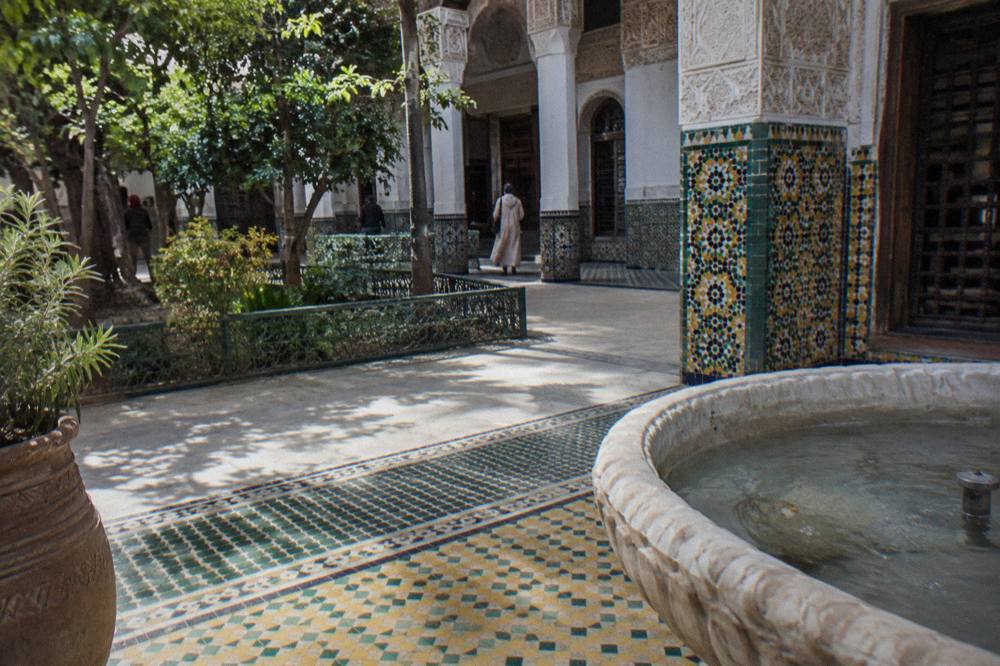
Some visitors expect a single building called the market, and that is the first thing to unlearn. There is no front door and no ticket office. The famous market is an open square plus the trading streets around it, and the boundary between market and ordinary medina street blurs within a few minutes of walking. A guide helps precisely here, because the free walking tours of Marrakech all start from points at or near this square, and their meeting points are how locals themselves describe the area.
That is also why this site exists. Alongside the square and the souks, which cost nothing to enter, Marrakech has 13 free walking tours listed on GuruWalk and freetour.com, every one free, pay what you want, and several of them meet on or beside the famous square itself. The question of what the market is and the question of how to see it with a local guide turn out to have overlapping answers.
What Is The Short Answer?
The short answer is that the famous market is Jemaa el-Fnaa plus the souks, it costs nothing to enter either, and the money you spend is optional and negotiable. Watching the square is free. Walking the souks is free. Performers ask for tips, food stalls charge for food, and shop goods are haggled. A free walking tour covers the same ground with a local guide.
If you only remember one sentence from this page, make it this: nothing about the famous market requires a ticket. The square is a public space. The souks are public lanes. What you pay for is what you choose to consume, and even those prices move, because souk prices are not fixed.
The free walking tours sit neatly on top of that answer. One example is Unveiling the Secrets of Marrakech, a GuruWalk run by Mohamed amine, meeting at the white dome on Koutoubia square, 2 hours 15 minutes in English, rated 4.91 out of 5 across 1,171 GuruWalk reviews. It is free, pay what you want, like every walk on this site. That tour meets by the Koutoubia, from which the famous square is a short walk away, and its own GuruWalk page describes what it covers.
The contrast worth holding in mind is with the ticketed monuments nearby. Bahia Palace, El Badi Palace and the Saadian Tombs each charge a foreign adult 100 MAD, and their free-entry days apply to Moroccan nationals only. The market is the opposite case: it is free for everyone, always, and the haggling inside it is a price conversation rather than an entry fee. The souks on a free walking tour guide unpacks the shopping side of that in detail.
What Should You Know Before You Go?
Before you go, know three things. One, the square and the souks cost nothing to enter, but performers, snake charmers and monkey handlers ask for money for photos, and food stalls charge for food. Two, souk prices are not fixed, so everything in a shop is a negotiation. Three, the nearest real ticket offices belong to palaces and museums, not the market, and lookalike reseller websites sell nothing you need for a public square.
Start with the tip economy of the square. Jemaa el-Fnaa is a public square with no ticket and no gate, and the people who make it famous, the musicians, the storytellers, the performers, are working. They work for tips and sales. Photographing them, stepping into a circle, or accepting anything handed to you starts a transaction. Keeping a polite distance costs nothing and the choice is yours at every moment. Everything else covered here is indexed on Free Things To Do In Marrakech.
The souks ask for a different kind of readiness. Walking the lanes is free, and the real cost is the buying itself: prices are not fixed and the pressure to buy is what you pay, not the entry. Decide before you enter a shop whether you want to shop, because the invitation to look is genuine and the follow-up is sales. Declining is normal and happens constantly.
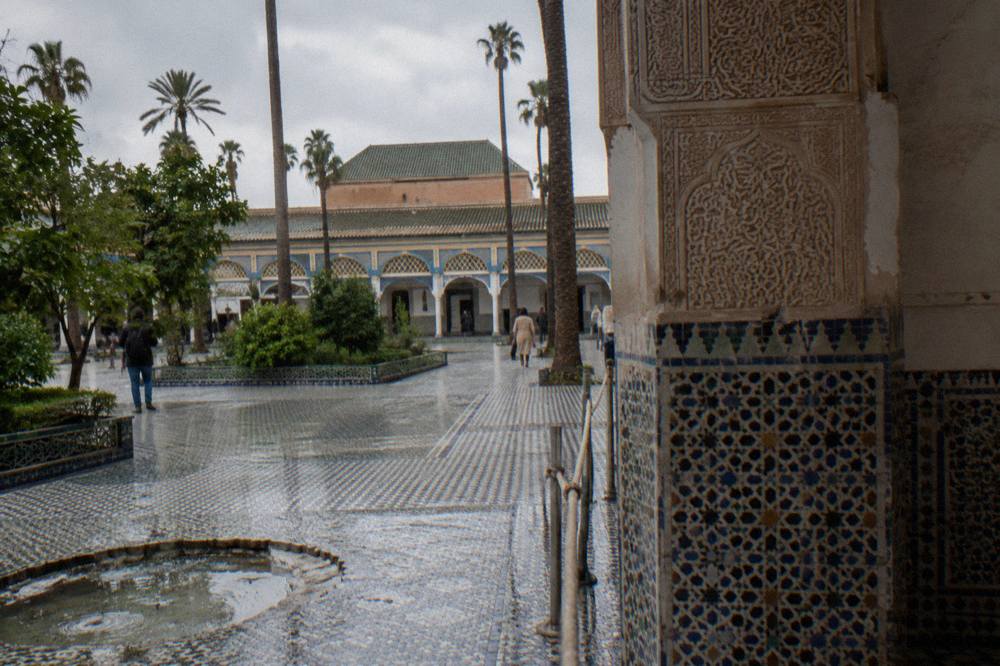
Then there is the ticket trap, and it is worth being direct about it. A cluster of websites with official-sounding names, including bahiapalace.com, saadiantombs.com and jemaa-elfnaa.com, are third-party ticket sellers, not official pages. You need no ticket for the famous market at all. If a page sells you one for the square, close it. The genuine government ticket platform, e-services.minculture.gov.ma, sells tickets for monuments such as Bahia Palace, one monument per ticket, and there is no unified pass for Marrakech.
| Thing at or near the famous market | Free or paid | What you actually pay |
|---|---|---|
| Jemaa el-Fnaa square itself | Free | Nothing; performers and food stalls work for tips and sales |
| The souk lanes | Free to walk | Goods only, prices not fixed |
| Koutoubia exterior, minaret esplanade and gardens | Free | Nothing; the prayer hall is closed to non-Muslims and has no ticket |
| Bahia Palace | Paid | 100 MAD foreign adult, 50 MAD foreign child 7 to 13 |
| Ben Youssef Madrasa | Paid | 50 MAD foreign adult, sold at the entrance only |
| Menara Gardens grounds | Free | The pavilion inside costs a foreign adult 60 MAD |
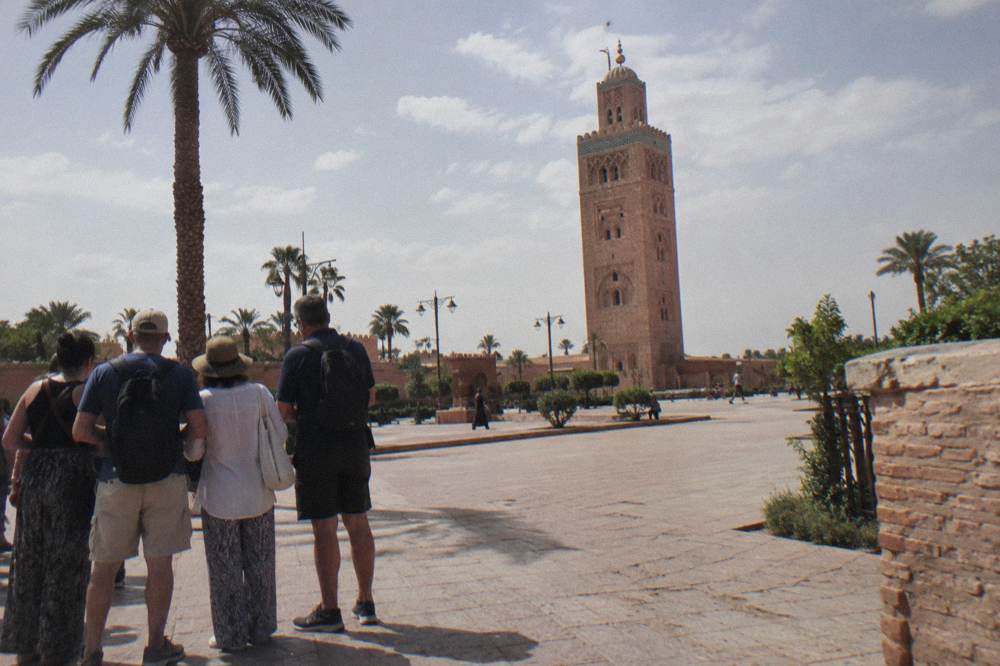
The Koutoubia row in that table matters because the mosque is the landmark beside the market quarter and its minaret is the meeting-point anchor for several free walks. The exterior, the minaret esplanade and the Koutoubia Gardens are free to walk and view. The interior is a separate fact: non-Muslims cannot enter the prayer hall, and no ticket exists that changes that. The Koutoubia exterior and gardens guide covers that split in full.
Finally, be careful with the word free elsewhere in the neighbourhood. The tanneries near Bab Debbagh are sometimes described as free; that is wrong. No official tariff exists, the usual way to see the pits is from a leather shop terrace, and staff there expect a tip or a purchase, while the "it is closed today, I will guide you" line is a known scam. A conditionally free place is never simply free, and the tanneries carry their condition with them wherever they are mentioned.
Which Free Walking Tours Cover This?
The free walks that cover the famous market quarter are the ones meeting at or beside Jemaa el-Fnaa and the Koutoubia. This site lists 13 free walking tours across the medina, all free, pay what you want, reserved on GuruWalk or freetour.com. The square-side walks meet at Jemaa el-Fnaa itself, Cafe Argana or Le Samovar; the Koutoubia-side walks meet at the white dome, the white shrine or the mosque square.
On the square itself, the meeting points tell the story. Medina Walk From Jemaa el-Fnaa is a GuruWalk, 2 hours 30 minutes in English, rated 4.85 out of 5 across 235 GuruWalk reviews, meeting at Jemaa el-Fnaa main square. Boufous Historical Walk, also on GuruWalk, meets at Cafe Argana on Jemaa el-Fnaa, runs 2 hours 30 minutes in English and is rated 4.84 out of 5 across 31 GuruWalk reviews. On freetour.com, the English Old City walk, 2 hours 45 minutes, meets at Cafe Restaurant Le Samovar and is rated 9.6 out of 10 across 938 freetour.com reviews.
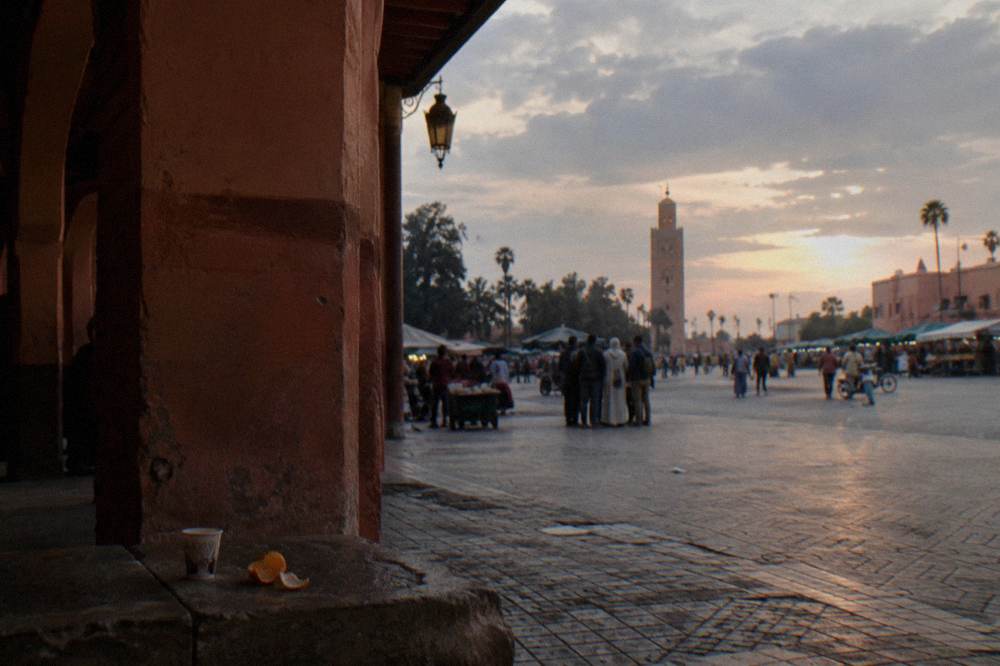
On the Koutoubia side, where the market quarter meets the mosque, the walks cluster around the same white landmarks. Youssef's English City Guide, a free GuruWalk tour, meets at the white shrine near the Koutoubia, runs 2 hours 30 minutes in English and is rated 4.78 out of 5 across 1,173 GuruWalk reviews. Unveiling the Secrets of Marrakech, introduced above, meets at the white dome on Koutoubia square. Mustapha's 2-Hour Medina Walk meets at Koutoubia Mosque square, runs 2 hours and is rated 4.9 out of 5 across 987 GuruWalk reviews; it is free to join, and its GuruWalk page flags possible extra costs such as entrance fees.
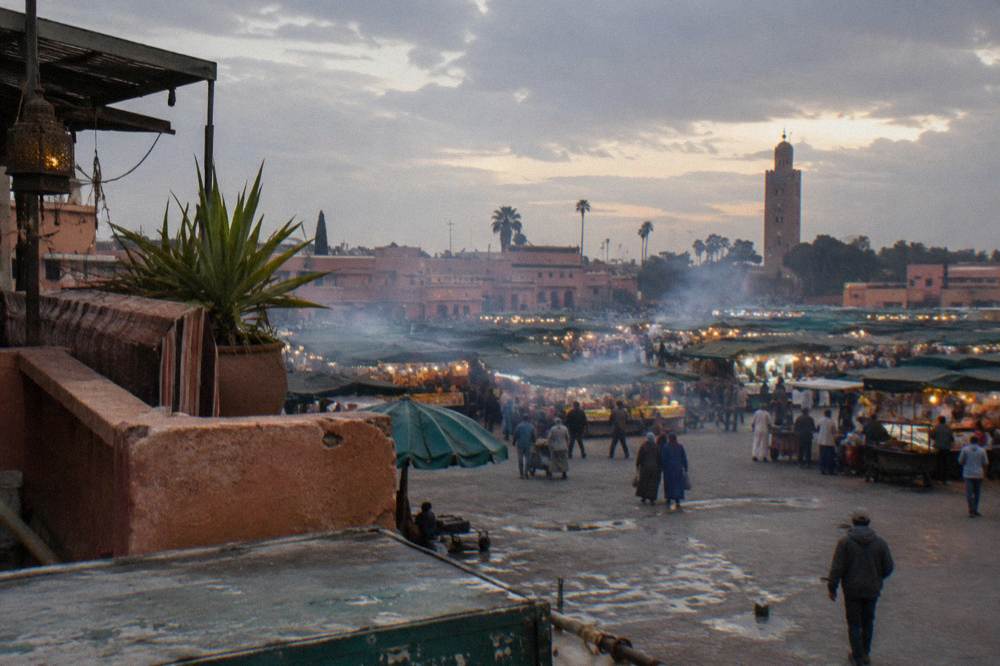
The night walks are a separate angle on the same question, because the famous market changes after dark and one walk is built around that. The 2-Hour Night Walk on GuruWalk, guided by Abdellah, meets at the white dome on Koutoubia square and is rated 4.88 out of 5 across 91 GuruWalk reviews. Night Stories, guided by hmmed and also on GuruWalk, meets at Hotel Ali on Rue Moulay Ismail, runs 2 hours 30 minutes, is rated 4.27 out of 5 across 22 GuruWalk reviews, and its GuruWalk page flags possible extra costs such as entrance fees. The Marrakech at night guide covers the evening side of the square.
One more walk deserves a mention without a rating, because it has too few reviews for a score yet. The 1-Hour Express on GuruWalk, English and French, meets at Jemaa el-Fnaa and runs 1 hour. It has a page of its own and no card here, precisely because two reviews are not a basis for a recommendation.
| Free walk | Platform | Meets at | Duration | Figures |
|---|---|---|---|---|
| Youssef's English City Guide | GuruWalk | White shrine near the Koutoubia | 2 hours 30 minutes | 4.78 out of 5 across 1,173 GuruWalk reviews |
| English Old City, 2 Hours 45 | freetour.com | Cafe Restaurant Le Samovar | 2 hours 45 minutes | 9.6 out of 10 across 938 freetour.com reviews |
| Medina Walk From Jemaa El-Fnaa | GuruWalk | Jemaa el-Fnaa main square | 2 hours 30 minutes | 4.85 out of 5 across 235 GuruWalk reviews |
| Jalil's Local Life Walk | GuruWalk | Foot of the Koutoubia minaret | 2 hours 30 minutes | 4.59 out of 5 across 301 GuruWalk reviews |
| 2-Hour Night Walk | GuruWalk | White dome, Koutoubia square | 2 hours | 4.88 out of 5 across 91 GuruWalk reviews |
Every walk above is run by an independent local guide and reserved on its platform, GuruWalk or freetour.com. This site neither operates the walks nor is affiliated with the platforms; it lists them because they are the genuinely free way to see the famous market with someone who knows it. Each walk's own page shows its times and takes reservations.
Mistakes That Trip People Up At The Famous Market
The common mistakes are treating the market as a ticketed attraction, assuming the performers are free entertainment, buying a reseller ticket from a lookalike website, and believing the nearby monuments are free on Fridays. None of these is true. The square and the souks need no ticket, performers work for tips, the official-looking ticket sites are third-party sellers, and the Friday free entry at the palaces applies to Moroccan nationals only.
The first mistake is shopping for a ticket to something that has no gate. Jemaa el-Fnaa is a public square. The souks are public lanes. No version of either is sold anywhere, and any website offering market entry is selling nothing you need. The genuine online ticket platform sells palace and monument tickets only, one monument per purchase.
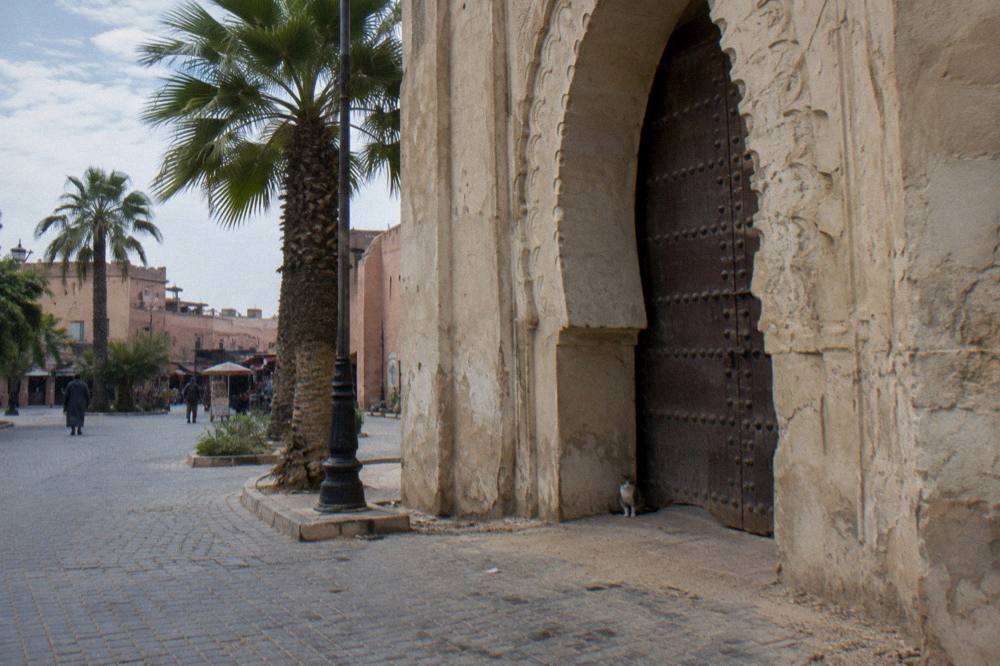
The second mistake is engaging with the square's performers as if they were street furniture. The musicians, the storytellers and the animal handlers are working for tips and sales. A photograph with a snake charmer or a monkey handler is a transaction, and the ask comes after the photo. Watch from a distance and nothing is owed.
The third mistake is assuming the Friday free-entry rule applies to you. It does not. Bahia Palace, El Badi Palace, the Saadian Tombs and the Almoravid Koubba let Moroccan nationals in free on Fridays and on the first day of national and religious holidays, and the 30 MAD rate needs a Moroccan or resident document. Foreign visitors pay 100 MAD adult, 50 MAD for children 7 to 13. Writing that these monuments are free on any day for visitors would simply be false.
The fourth mistake is calling the tanneries free. They have no tariff, the viewing happens from a shop terrace where a tip or a purchase is expected, and the "closed today" line is the known scam. The honest sentence is that the tanneries are conditionally free at best, and the condition is a purchase or a tip at a private terrace.
Common Questions About The Famous Market In Marrakech
What Is The Famous Market In Marrakech?
The famous market is Jemaa el-Fnaa, the open square at the heart of the medina, together with the souk lanes running out from it. The square is a public space with no ticket, open around the clock, and the souks are free to walk. Performers and food stalls work for tips and sales, and souk prices are not fixed.
Is Jemaa el-Fnaa Free To Enter?
Yes. Jemaa el-Fnaa is a public square with no ticket and no gate, open around the clock. What costs money inside it is optional: food from the stalls, goods from sellers, and tips for the performers, musicians and handlers if you photograph them or engage with them.
Do The Souks Cost Money To Enter?
No. Walking the souk lanes of the medina is free. The cost is in the shops: prices are not fixed and everything is negotiated. The pressure to buy is the real cost of the souks, not an entry fee, and declining invitations is normal.
Which Free Walking Tours Cover The Famous Market?
Several of the 13 free walking tours on this site meet at or beside the market. On the square side, walks meet at Jemaa el-Fnaa, Cafe Argana and Le Samovar; on the Koutoubia side, at the white dome, the white shrine and the mosque square. All are free, pay what you want, reserved on GuruWalk or freetour.com.
Can You Visit The Koutoubia Mosque Near The Market?
The exterior, the minaret esplanade and the Koutoubia Gardens are free to walk and view. Non-Muslims cannot enter the prayer hall, and no ticket exists for it. So the answer is yes for the outside and no for the inside, and no purchase changes that.
Are The Palaces Near The Market Free Too?
No. Bahia Palace, El Badi Palace and the Saadian Tombs each charge a foreign adult 100 MAD, with children 7 to 13 at 50 MAD. Their free Fridays apply to Moroccan nationals only, and the 30 MAD rate needs a Moroccan or resident document. Buy only through the official platform or on site.